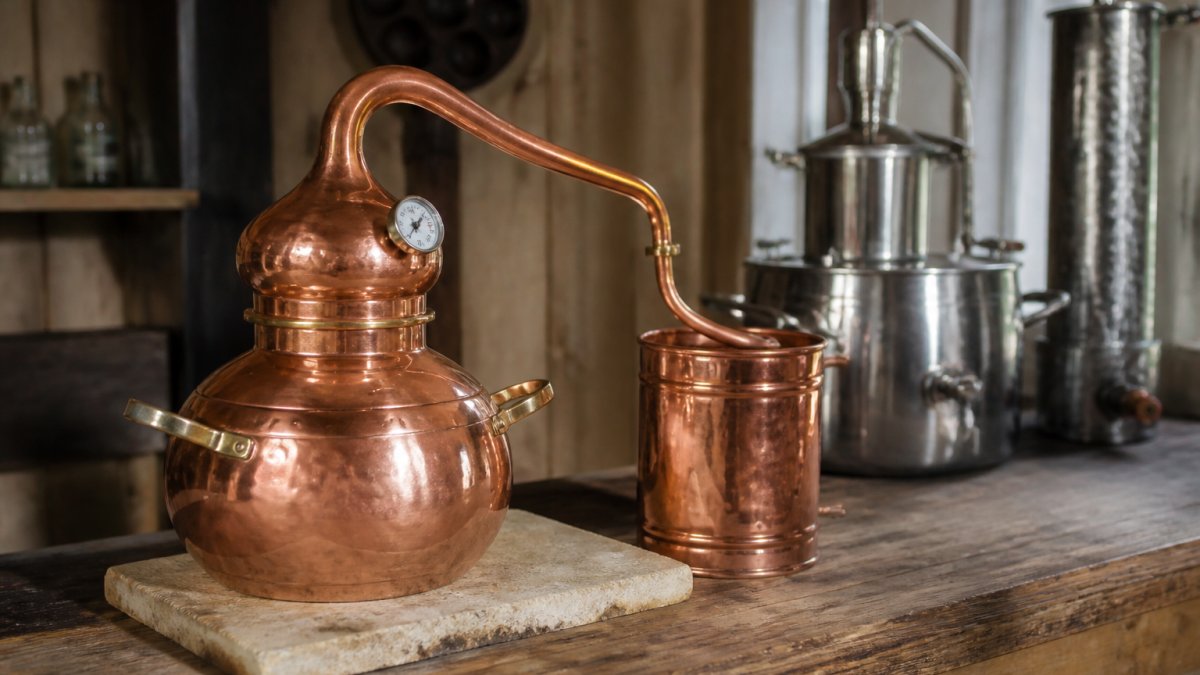
 comparison
Clawhammer Supply Alternative for Better Quality Stills
Table of Contents
- Why Brewers Look for a Clawhammer Supply Alternative
- Professional Grade Copper Stills: What Sets Them Apart
- Distillation Equipment Material Comparison: Copper vs. Stainless Steel
- Moonshine Still Safety Standards: What to Verify Before You Buy
- Top Alternatives for Better Quality: A Comparison
- Long-Term Maintenance and Cost Considerations
- Frequently Asked Questions
Last Updated: September 30, 2026
Why Brewers Look for a Clawhammer Supply Alternative
Searching for a Clawhammer Supply alternative for better quality usually starts the same way: a brewer outgrows their first system and wants equipment that will outlast the hobby. This guide from Steven StillZ LLC compares the leading options on materials, safety, and long-term value.
Professional Grade Copper Stills: What Sets Them Apart
Professional grade copper stills are defined by three measurable qualities: metal thickness, metal purity, and how the joints are sealed. A still can look beautiful and still fail all three.
Copper Thickness and Purity
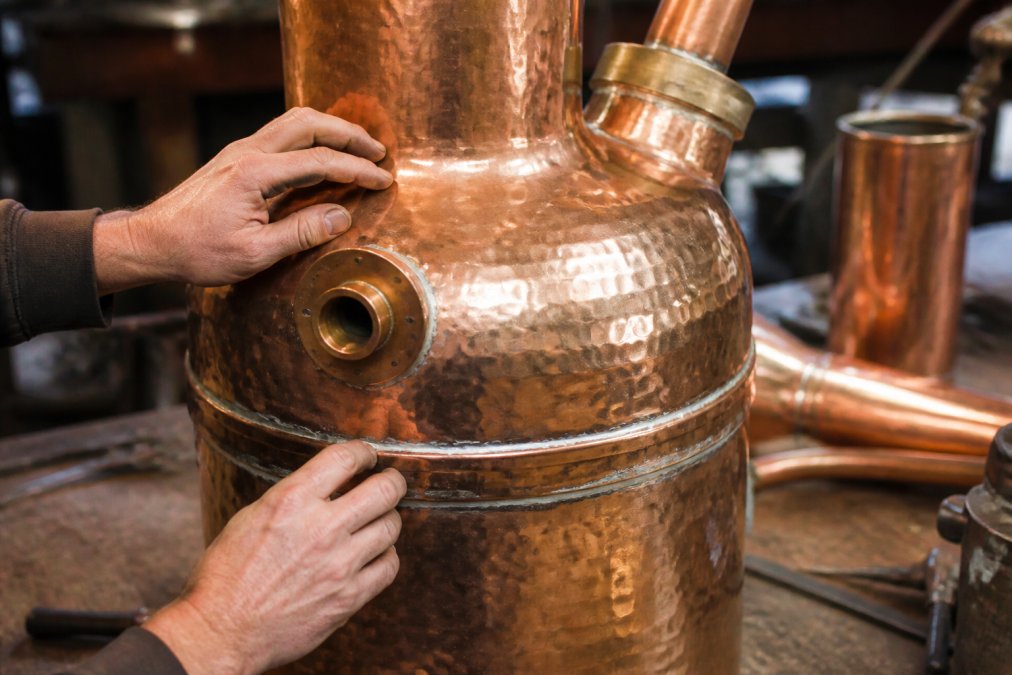
Thicker copper holds temperature more steadily and resists denting during cleaning and storage. Purity matters just as much. Impure copper can carry trace contaminants that affect taste over time. Steven StillZ LLC builds with machine-cut, 20oz, 99.9% pure Paul Revere Copper.
Joining Methods and Lead-Free Solder
This is where budget stills cut corners. Lead-free silver bearing solder costs more and takes more skill to run cleanly. A common mistake is assuming "lead-free" on a spec sheet means the whole build is safe; ask whether the solder is silver bearing and whether every seam was tested.
Distillation Equipment Material Comparison: Copper vs. Stainless Steel
The copper-versus-stainless debate gets settled on four measurable properties: thermal conductivity, sulfur reactivity, wall thickness, and maintenance burden. Everything else is marketing.
Thermal Conductivity and Heat-Up Behavior
Copper's thermal conductivity is roughly 20 times higher than 304 stainless steel, on the order of 400 W/m·K versus about 16 W/m·K. In practice, that means a copper vessel responds to burner or element changes faster and holds a more even temperature across the column wall. Stainless is not a bad conductor; it is simply a slow one, which is why stainless electric systems lean on recirculation pumps and PID controllers to compensate.
Sulfur Reactivity and Flavor
Copper reacts with hydrogen sulfide and other sulfur-bearing compounds produced during fermentation, converting them into copper sulfide that stays in the vessel rather than the distillate. Stainless does not. This is the single biggest reason traditional spirit producers still line columns and condensers with copper even when the boiler is stainless.
Wall Thickness, Purity, and Durability
Not all copper is equal. Common gauges in hand-made equipment run from 16 oz (about 0.0216 in) up to 20 oz (about 0.027 in) and beyond. Thicker gauge resists denting during cleaning, holds shape through repeated heat cycles, and takes longer to develop pinhole leaks at seams. Purity matters too: 99.9% pure copper (often sold under the Paul Revere Copper name) is a known, verifiable starting stock, whereas recycled or alloyed copper can carry trace metals that affect taste over time.
Maintenance and Long-Term Cost
| Factor | Copper (20 oz, 99.9%) | 304 Stainless |
|---|---|---|
| Thermal conductivity | ~400 W/m·K | ~16 W/m·K |
| Sulfur removal | Yes | No |
| Typical wall thickness | 0.027 in | 0.024-0.031 in |
| Cleaning | Periodic polishing; patina is normal | Wipe-down; passivation occasionally |
| Gasket/seal life | Long if seams are pressure-tested | Depends on fitting type |
| Replacement risk | Low on thick-gauge builds | Higher on thin-gauge kettles |
| Upfront cost | Higher | Lower |
Over a five-year horizon, the cost gap narrows. Stainless systems often need gasket, pump, and fitting replacements sooner, and thin-gauge kettles are more likely to be replaced outright. Copper's higher entry price is partly prepaying for a longer service life, but only if the build uses thick-gauge stock and pressure-tested seams.
When Stainless Wins
Stainless is the better choice when you want neutral spirits, low maintenance, and compatibility with standard tri-clamp fittings and off-the-shelf replacement parts. It is also easier to source and repair in most markets. Copper wins on flavor interaction, thermal responsiveness, and longevity, provided the build quality justifies the price.
Moonshine Still Safety Standards: What to Verify Before You Buy
Moonshine still safety standards center on four checks: lead-free solder, pressure-tested seams, compatible heat sources, and no plastic in the vapor path. Federal rules on distilling spirits for personal use vary by state, so confirm your local requirements before you buy anything.
Verify these before purchase:
- Written confirmation of lead-free, silver bearing solder
- Evidence of water and air pressure testing per unit
- Vapor path is all metal, no silicone or plastic tubing
- Heat source compatibility stated clearly (propane, electric, or both)
- Warranty and replacement terms in writing
Top Alternatives for Better Quality: A Comparison
Most "best alternative" lists rank systems by brand recognition. This one ranks them by what actually determines quality: material spec, joining method, controller precision, serviceability, and total cost of ownership over five years. Pricing depends on quantity, dates, and delivery, verify current pricing before buying.
How to Read This Comparison
Three objective benchmarks separate a good system from a great one:
- Time to boil.
- Temperature stability.
- Grain capacity.
Skill-Level Matching
- Beginner / first all-in-one: Anvil Foundry 10.5, BrewZilla Gen 4. Dual-voltage flexibility, included malt basket, and a large community mean fewer dead ends when something goes wrong.
- Intermediate / repeatability-focused: Grainfather G40. App-driven recipe management and a Wi-Fi controller make consistent batches easier, at the cost of proprietary parts.
- Advanced / modular: Spike Solo. Tri-clamp fittings and 304 stainless construction make customization and deep cleaning straightforward.
- Spirit-focused / longevity-first: Steven StillZ LLC. Hand-made 20 oz, 99.9% Paul Revere Copper with lead-free silver bearing solder and per-unit water and air pressure testing.
Comparison Table
| System | Material | Controller | Voltage | Typical Street Price | Best For |
|---|---|---|---|---|---|
| Steven StillZ LLC | 20 oz 99.9% copper | Manual / element control | Varies by build | See site | Spirit quality, longevity |
| Spike Solo | 304 stainless | PID | 240V | $1,200+ | Modular brewing |
| Grainfather G40 | Stainless | Wi-Fi PID + app | 240V | $1,300+ | Automation, repeatability |
| Anvil Foundry 10.5 | Stainless | PID | 120V / 240V | $450+ | Budget upgrade, beginners |
| BrewZilla Gen 4 | Stainless | PID | 120V / 240V | $500+ | Community support, value |
Steven StillZ LLC
Our top pick for spirit quality. Every unit is 100% hand-made from Paul Revere Copper, rolled, hemmed, and beaded for structural integrity, then water and air pressure tested before it ships. The 100% lead-free silver bearing solder means no contamination risk in the vapor path. Backed by a money-back or replacement guarantee.
Spike Solo
A well-built 304 stainless single-vessel system with tri-clamp fittings that make cleaning and customization easy. Best for advanced brewers who want modularity. The drawback is price, and stainless will not strip sulfur the way copper does.

Grainfather G40
The G40 leans hard into automation with a Wi-Fi controller and app-based recipe management. Great for repeatable brewing cycles. Where it falls short: proprietary components can be harder to source than standard fittings.
Anvil Foundry 10.5
The value pick. Dual-voltage capability lets you run 120V or 240V, and the included malt basket keeps grain handling simple. Build quality is lighter than premium systems, which is the trade for the price.
BrewZilla Gen 4
A budget-friendly system with an integrated pump and a huge accessory ecosystem. The active community is a genuine asset. Material thickness is thinner than high-end alternatives, so durability is the compromise.
Total Cost of Ownership Over Five Years
Upfront price is only part of the story. A common pattern among home brewers is that stainless systems need gasket, pump, and fitting replacements within three to five years, while thick-gauge copper builds with pressure-tested seams typically need only consumable seals and periodic polishing.
Long-Term Maintenance and Cost Considerations
Long-term cost is where copper separates itself. A thicker, purer build resists pinhole leaks and seam failures that force replacements on thinner equipment. Stainless systems often cost less upfront but may need gasket and pump replacements sooner.
Buy once, cry once.
Frequently Asked Questions
What are the benefits of using 99.9% pure copper for distillation?
Copper is a superior material for distillation because it conducts heat evenly, resists corrosion, and reacts with sulfur compounds to remove off-flavors. Using 99.9% pure copper, like Paul Revere Copper, ensures maximum thermal efficiency and durability, making it a worthwhile investment for serious distillers.
Why is lead-free silver bearing solder important in distillation equipment?
Lead-free silver bearing solder is critical because lead can leach into your distillate, posing serious health risks. Silver bearing solder offers strong, leak-free joints that withstand high temperatures and pressure. It also ensures that no harmful contaminants enter your product. When choosing a still, always verify that the manufacturer uses 100% lead-free solder, as some cheaper alternatives may cut corners and use lead-based solder, which is unsafe for distillation.
How does pressure testing impact the safety of a moonshine still?
Pressure testing verifies that a still can handle the internal pressures of distillation without leaking or failing. A still that undergoes rigorous water and air pressure testing is less likely to develop cracks or weak points that could cause accidents. This testing ensures structural integrity, especially at joints and seams. For safety, always choose a still that has been pressure tested by the manufacturer, as it indicates a commitment to quality and reduces the risk of hazardous leaks during operation.
What should I look for when upgrading from a hobbyist still to a professional-grade still?
When upgrading, focus on material quality, construction methods, and safety features. Look for stills made from thick, pure copper or high-grade stainless steel with lead-free solder. Check for pressure testing, warranty coverage, and customer support. Consider your batch size and heat source compatibility. A professional-grade still should offer better temperature control, durability, and efficiency. Also, assess long-term maintenance costs and availability of replacement parts. Investing in quality now saves money and frustration later.
Is hand-made distillation equipment worth the investment?
Hand-made distillation equipment often justifies its higher cost through superior craftsmanship and materials. Each piece is carefully constructed, often with thicker copper and reinforced seams, leading to better durability and performance. Hand-made stills also tend to have fewer defects and better attention to detail. While the upfront cost may be higher, the longevity and consistent results can make it more cost-effective over time. Additionally, many hand-made stills come with guarantees, ensuring your investment is protected.
Upgrading equipment is a real decision, and the wrong still costs you batches, not just money. Steven StillZ LLC builds every unit by hand from 20oz, 99.9% pure Paul Revere Copper with lead-free silver bearing solder, pressure-tests each one, and backs it with a money-back or replacement guarantee. Get started with Steven StillZ LLC and brew with equipment built to last.