 comparison
DIY Still vs Professional Equipment: Which to Choose
Table of Contents
- DIY Still vs Professional Equipment: The Core Comparison
- DIY Still Construction: Materials, Tools, and Real Costs
- Copper Still Safety: Solder, Pressure, and Vapor Risks
- Home Distilling Laws: What You Need to Know
- 10 Gallon Still Capacity: Output, Batch Size, and Use Cases
- Best Copper Still for Home: What to Look For
- Total Cost of Ownership: DIY vs Professional Equipment
- Conclusion
- Frequently Asked Questions
Last Updated: October 13, 2026
DIY Still vs Professional Equipment: The Core Comparison
Choosing between a DIY still vs professional equipment comes down to one question: how much of your time and safety are you willing to trade for a lower upfront cost. At Steven StillZ LLC, we build hand-made copper stills for hobbyists and small producers.
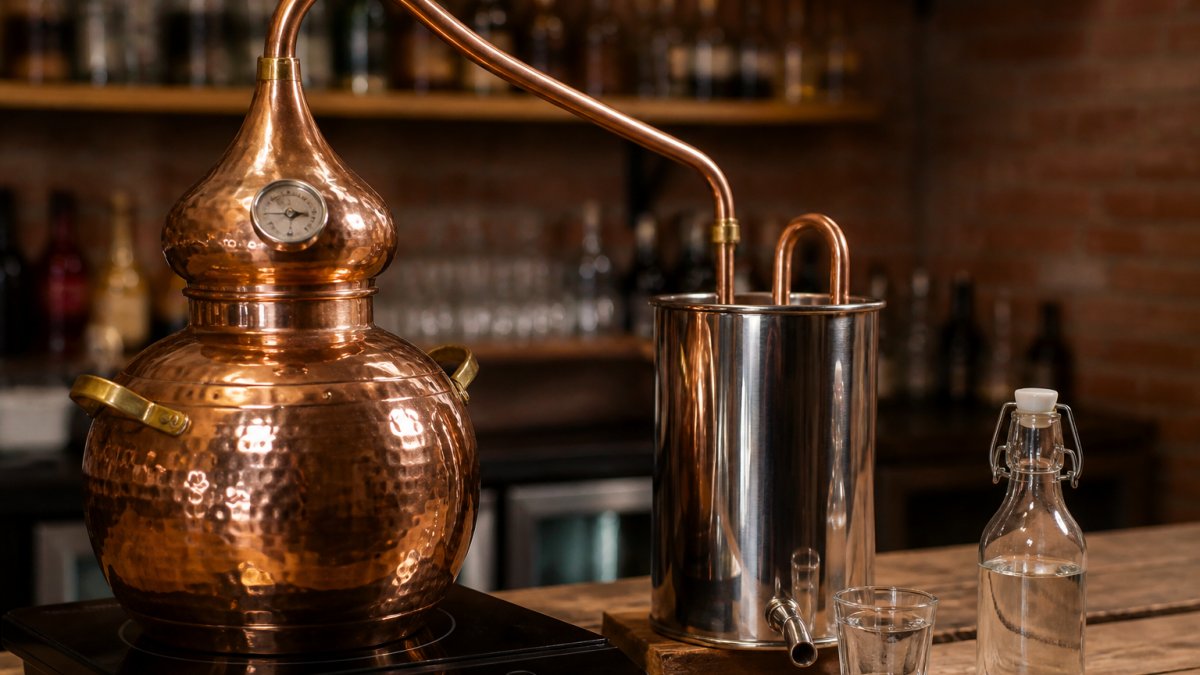
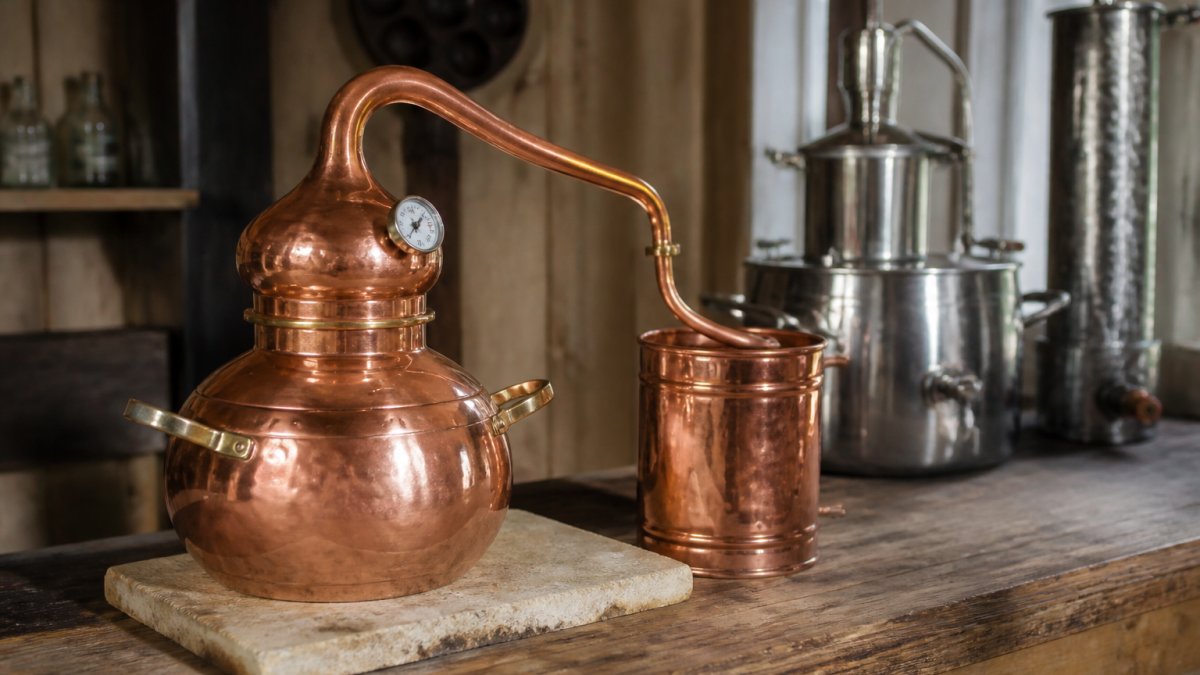
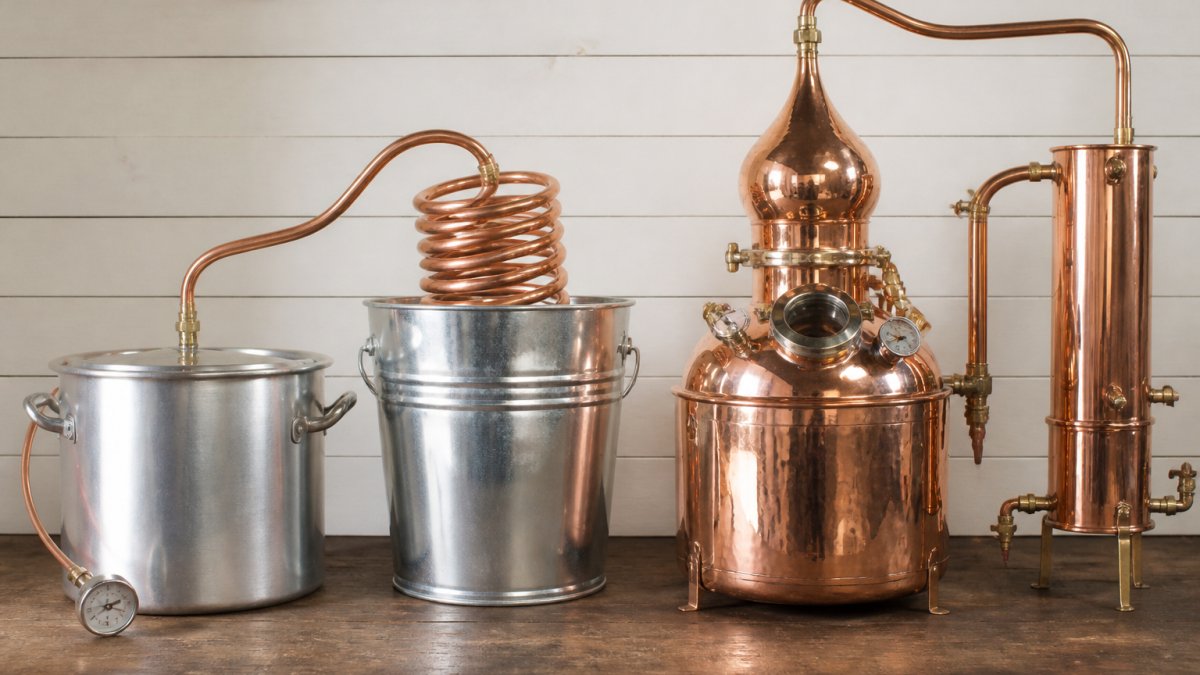
DIY still refers to a distillation apparatus you cut, form, and assemble yourself from raw materials. Professional equipment is a purpose-built still manufactured, tested, and sold as a complete unit, like the copper stills we produce with Paul Revere Copper and lead-free silver bearing solder.
| Factor | DIY Still | Professional Equipment |
|---|---|---|
| Upfront cost | Lower materials spend | Higher purchase price |
| Labor required | High, ongoing | Minimal |
| Leak and pressure testing | Your responsibility | Done before shipping |
| Solder safety | You choose the alloy | Lead-free silver bearing solder |
| Resale and support | None | Warranty and documentation |
| Best for | Tinkerers, one-off builds | Hobbyists, small producers |
DIY Still Construction: Materials, Tools, and Real Costs
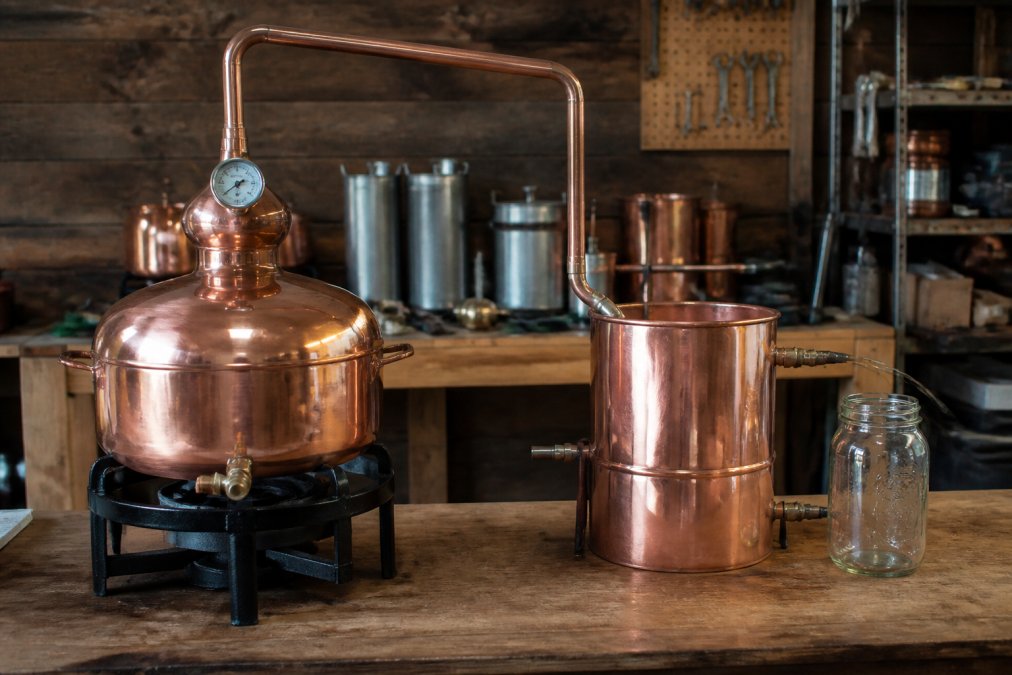
Building a homemade still means sourcing sheet metal, forming a boiler, lid, vapor cone, lyne arm, and condenser, then joining it all without leaks.
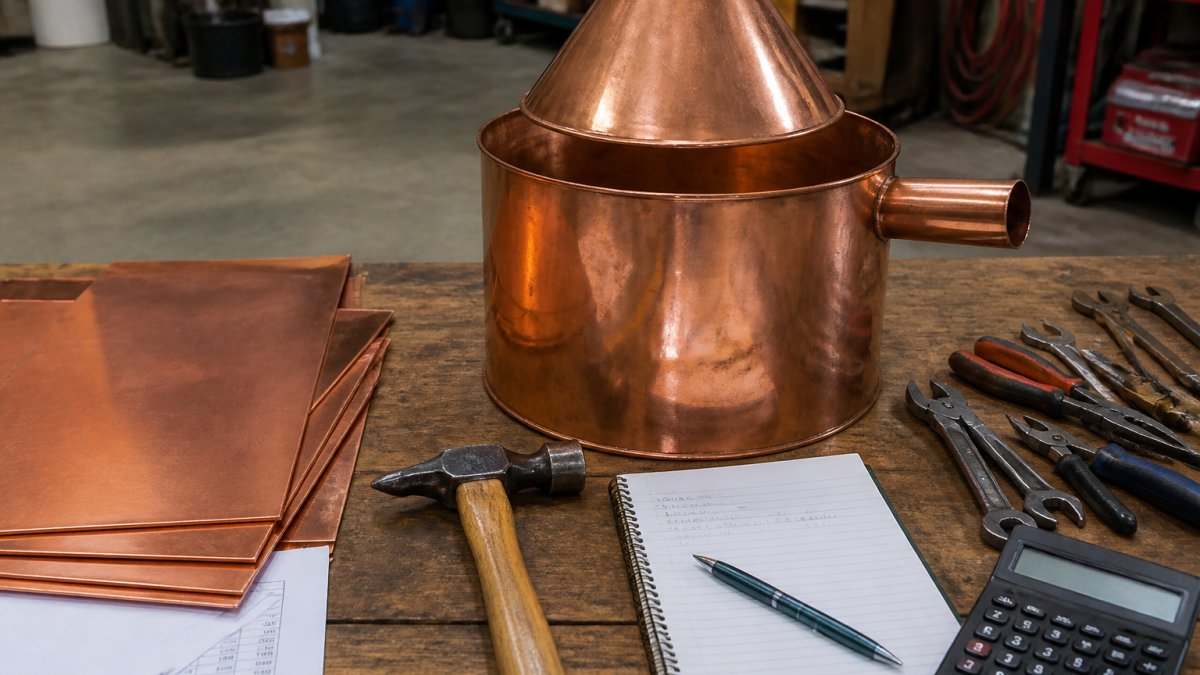
The real cost isn't the copper. It's the hours. Cutting, forming, and welding a pot still or column still by hand can consume a full weekend or more, and a single bad seam means starting over.
Copper Still Safety: Solder, Pressure, and Vapor Risks
Copper still safety hinges on three things: the solder you use, the pressure your vessel can hold, and how you manage vapor.
Pressure is the second risk. A sealed boiler with a blocked condenser path can build pressure fast.
Vapor is the third. Alcohol vapor is flammable and heavier than air, so temperature control and ventilation matter more than most beginners expect.
Home Distilling Laws: What You Need to Know
Home distilling laws in the United States are stricter than most hobbyists assume. Distilling spirits at home for personal use is not legal at the federal level, and the rules are set by federal agencies, not local ones (Home Distilling). Before you build or buy anything, check the current requirements directly with the Alcohol and Tobacco Tax and Trade Bureau and your state's alcohol control authority.
This is where DIY and professional paths converge: the law doesn't care how your still was made. If you intend to produce spirits for sale, educational use, or any regulated purpose, you need the correct permits regardless of equipment. Many buyers in our audience run small commercial or training operations, and for them the legal question drives the equipment decision far more than cost does.
10 Gallon Still Capacity: Output, Batch Size, and Use Cases
A 10 gallon still capacity is the sweet spot for serious hobbyists, and it is also the size where the DIY-versus-professional decision starts to matter. Batch size at that scale lets you run meaningful volumes without a boiler so large it becomes hard to heat, move, and manage. But capacity is not the same as output, and confusing the two is the most common mistake we see.
Boiler size versus charge size
The boiler volume is the vessel. The charge is how much wash or mash you actually put in it. You never fill a boiler to the top.
A common pattern is to charge a boiler to roughly two-thirds to three-quarters of its rated volume, depending on how foamy the wash is. That means a 10 gallon boiler typically handles a charge of about 6 to 8 gallons.
What a 10 gallon run actually produces
Output depends on your wash and your cuts, not just volume. Two levers do most of the work:
- Wash strength. A higher starting gravity yields more alcohol per gallon of charge, up to the point where the yeast stalls.
- Still design. A pot still gives you more flavor carryover and a wider spread of fractions; a column still gives you higher purity per run and tighter cuts.
Because those variables move so much, any single "gallons per run" number is misleading. What you can rely on is the relationship: more charge and higher wash strength mean more total distillate, and a column design concentrates the alcohol into a smaller, stronger heart cut than a pot still does.
Pot still versus column still at this size
For a hobbyist making whiskey or rum, the pot still's character is usually the point, you want some of the wash's flavor to survive into the bottle. For neutral spirits, a column design does more of the separating work, giving you a cleaner product with less reliance on precise cut timing.
At 10 gallons, both designs are practical. The choice is about what you want in the glass, not about which one fits the boiler.
Run time and why it matters
A larger boiler means fewer, longer runs. That is usually a win: less setup, less cleanup, and more consistent results, because you repeat the same process rather than re-learning it each time. The trade-off is that a bigger charge takes longer to heat and run, so you need a heat source and session length that match the size.
When to stay small, and when to size up
Capacity is a decision, not a default. Use these triggers:
- Stay with a smaller starter unit if you are still learning cuts, running infrequently, or limited on space and heat.
- Move to a 10 gallon boiler when you consistently run out of product before your next session, or when setup and cleanup time is eating into the actual distilling.
- Size up further only when your demand, your heat source, your space, and, for any regulated use, your compliance all support it. A bigger boiler you cannot legally or practically run is not an upgrade.
Best Copper Still for Home: What to Look For
The best copper still for home use is one built from pure copper with lead-free solder, tested for leaks, and sized to your actual batch goals.
When you evaluate a professional unit, check these points:
- Copper thickness and purity stated plainly (we use 20oz, 99.9% pure copper)
- Lead-free silver bearing solder, confirmed in writing
- Water and air pressure testing performed before shipping
Copper material guidance from the Copper Development Association is a useful reference for understanding why copper behaves the way it does in a still.
This is where our own equipment earns its place. Every still we make is 100% hand-made with machine-cut copper and undergoes rigorous water and pressure testing.
Total Cost of Ownership: DIY vs Professional Equipment
Total cost of ownership is where the DIY still vs professional equipment debate actually gets settled, and it rarely favors DIY once you count everything. The purchase price is only the first line.
Most side-by-side comparisons stop at the sticker price. That is the wrong frame. A still is a durable tool with a multi-year service life, so the honest comparison is cost per gallon of usable product over the life of the equipment, not cost at checkout.
The cost categories that actually matter
| Cost Category | DIY Still | Professional Equipment |
|---|---|---|
| Upfront materials | Copper sheet, tube, fittings, solder, flux, sourced piecemeal | Bundled into purchase price |
| Tooling | Cutting, forming, rolling, and soldering tools; many are single-use for this project | None required beyond normal operation |
| Labor | Dozens of hours for a first build; more if a seam fails | Assembly and setup only |
| Failed attempts | Rework, scrapped copper, re-soldering | Covered by warranty if a defect appears |
| Testing and safety validation | Your responsibility; no third-party check | Water and air pressure tested before shipping |
| Maintenance and repairs | You source parts and re-solder as needed | Documented, supported, replaceable components |
| Utilities | Same energy input per run either way | Same energy input per run either way |
| Resale value | Effectively none | Retains some value as a tested unit |
| Expected lifespan | Variable, tied to workmanship | Built for durability and repeat use |
Why the labor line dominates
The materials are rarely the expensive part. The hours are. Cutting, forming, hemming, and soldering a pot still or column still by hand can consume a full weekend or more for a first-time builder, and a single weeping seam can send you back to the start.
A useful way to think about it: a professional still front-loads cost and removes ongoing labor, testing, and rework. A DIY build spreads cost across time but adds risk at every step. For a hobbyist running weekend batches, the professional trade usually wins.
Maintenance and parts over the life of the still
Ownership cost does not stop at the first run. Seals, gaskets, and fittings wear, and condenser lines can scale or clog. A professional unit typically ships with documentation and a parts path, so a worn gasket is a reorder rather than a fabrication problem. A homemade build often means re-making the failed part yourself, fine if you kept the tools and material, frustrating if you did not.
A simple decision framework
Use these questions to pick a path rather than guessing:
- How often will you run it? Occasional weekend batches favor professional equipment; near-daily use makes reliability non-negotiable.
- Do you already own the tools and enjoy the work? If yes, DIY is a legitimate project. If no, the tooling cost alone often erases the savings.
- How much does a failed batch cost you? If a bad seam ruins a wash you spent days preparing, the risk premium on DIY goes up fast.
Conclusion
The hard part isn't deciding that professional equipment is more reliable. It's admitting that the cheap build usually isn't cheap once you count your time, your tools, and the risk of a bad seam. If you want a still that arrives tested, leak-free, and ready to run, we build exactly that. Every Steven StillZ LLC unit uses Paul Revere Copper, 99.9% pure copper, and lead-free silver bearing solder, backed by a 100% money-back or replacement guarantee.
Frequently Asked Questions
Is home distilling legal now in the USA?
No. Federal law still prohibits distilling spirits at home for personal or commercial use without a license. The Alcohol and Tobacco Tax and Trade Bureau (TTB) requires a federal permit for any distillation of spirits. Some states allow limited personal use, but federal law applies everywhere. You can legally buy and own distillation equipment, but using it to produce alcohol without a license remains illegal. Check both federal and state rules before starting any home distilling project.
What are the main differences between a DIY still and professional equipment?
A DIY still is typically built from purchased or repurposed components, often using a stockpot or keg as a boiler and hand-formed copper for the column and condenser. Professional equipment arrives fully assembled, tested for leaks, and built with consistent materials like 20oz copper and lead-free solder. The main differences are construction quality, safety testing, repeatability, and time investment. A DIY still can work well, but professional equipment removes guesswork and reduces safety risks.
Is a homemade still safe to use?
A homemade still can be safe if built correctly, but the risks are real. Common problems include lead-based solder, poor seals that leak vapor, and inadequate pressure relief. Vapor leaks can create fire hazards, and lead contamination in the distillate is a health concern. Professional stills from reputable makers undergo water and air pressure testing to verify leak-free performance. If you build your own, use lead-free silver solder and test every joint before running a batch.
How much will a 10 gallon still produce?
A 10 gallon still typically yields about 1 to 1.5 gallons of finished spirits per run, depending on the mash sugar content and how you make your cuts. You should also leave headspace in the boiler, so the actual working volume is closer to 8 gallons. A 10 gallon capacity suits hobbyists who want a reasonable batch size without moving to commercial-scale equipment. Output varies with recipe, still design, and distillation technique.