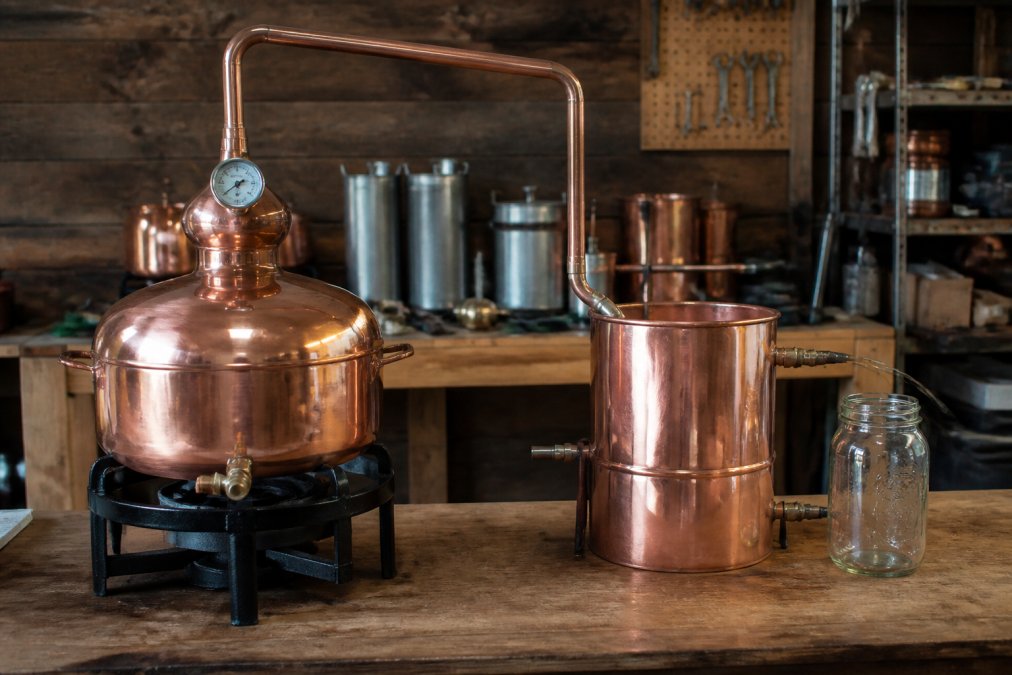
 comparison
Philbilly Moonshine Alternative for Serious Distillers
Table of Contents
- Why Serious Distillers Outgrow Entry-Level Stills
- Professional Copper Distillation Equipment: What Sets It Apart
- How to Choose a Moonshine Still for Serious Production
- Distillation Equipment Safety Standards to Verify Before Buying
- Copper vs. Stainless Steel: Matching Material to Your Goals
- Durability and Long-Term Value: What Two Years of Use Reveals
- Regulatory Compliance and Legal Distilling: What Serious Hobbyists Must Know
- Frequently Asked Questions
Last Updated: September 20, 2026
Why Serious Distillers Outgrow Entry-Level Stills
Most hobbyists hit the same wall within a year or two: the budget still that handled your first sugar washes starts fighting you the moment you chase real purity and repeatable yield optimization.
The Limits of Thin-Walled Budget Equipment
Thin-gauge metal flexes under heat cycling, stressing seams until they leak vapor, so you chase vapor path leaks with flour paste instead of dialing in your cuts.
What Changes When You Move to Professional Copper
Heavier copper holds temperature more evenly across boiler and column, meaning cleaner separation between heads and tails and less smearing in your hearts.
Professional Copper Distillation Equipment: What Sets It Apart
Professional copper distillation equipment uses heavier-gauge copper with soldered, pressure-tested joints rather than crimped or glued fittings, the difference between lasting a decade and leaking in year two.
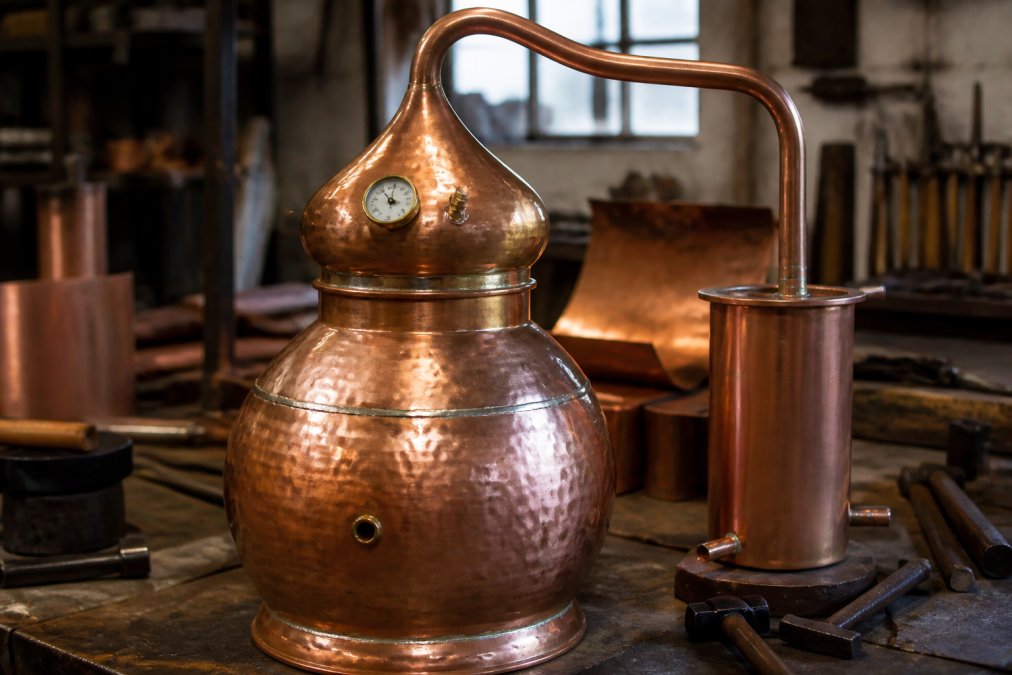
Copper Thickness, Purity, and Thermal Conductivity
Copper's thermal conductivity is why traditional pot still designs dominate for flavor-forward spirits: it pulls sulfur compounds from the vapor and spreads heat evenly, two things stainless doesn't do as well.
Solder, Seals, and Gaskets: The Contamination Question
You can't verify metal purity from a product photo, and plenty of sellers make claims they can't document.
Ask three questions before you buy:
- What alloy is the solder, and is it documented as lead-free?
- What material are the gaskets, and are they rated for hot ethanol vapor?
- Has this specific unit been water and pressure tested, or is that a batch claim?
How to Choose a Moonshine Still for Serious Production
Choosing a moonshine still for serious production comes down to three decisions: batch size, column type, and heat source. Get them wrong and you'll rebuy within a year.
Batch Size, Column Type, and Heat Source Compatibility
Start with realistic weekly output, not ambition. A batch size larger than you can run means wash sitting and spoiling.
| Decision | Beginner Setup | Serious Setup | Why It Matters |
|---|---|---|---|
| Batch size | 5-8 gallon boiler | 15-26 gallon boiler | Matches real weekly output |
| Column type | Simple pot still | Pot still with reflux option | Flexibility across spirit styles |
| Heat source | Stovetop or hot plate | Propane burner or internal element | Stable, controllable heat |
| Material | Thin stainless | Heavy copper | Flavor, durability, even heat |
Modular vs. Fixed Designs for Future Upgrades
A modular design lets you swap columns, add a thumper keg, or change the condenser without replacing the rig; fixed designs are cheaper but lock you into one configuration.
Distillation Equipment Safety Standards to Verify Before Buying
Distillation equipment safety standards come down to three things you can verify yourself: pressure relief, a sealed vapor path, and documented leak testing.
Pressure Relief, Vapor Path, and Leak Testing
A blocked vapor path on a sealed boiler is home distilling's most dangerous failure mode. A pressure relief valve or open-path design prevents pressure buildup if something clogs.
Copper vs. Stainless Steel: Matching Material to Your Goals
Most guides frame this as a flavor preference, too soft for a serious distiller. The real question is which material survives hot ethanol vapor, thermal cycling, and acidic wash chemistry without introducing anything into your distillate you didn't put there.
What Each Metal Actually Does in the Vapor Path
Copper's catalytic behavior is well documented: it binds sulfur compounds, the ones behind rotten-egg and cooked-cabbage notes, on the metal surface instead of letting them reach your condenser. That's why Scotch, Cognac, and rum producers still run copper pot stills even when stainless is cheaper and easier to clean.
The Contamination Question Nobody Benchmarks
The gap most buying guides skip: material purity and alloy documentation. Copper isn't automatically food-safe. Recycled copper, brazed joints with unknown filler metals, and anti-tarnish lacquers can all introduce lead, cadmium, or organic coatings into a hot vapor path.
- Is the copper certified lead-free, and is that certification documented per unit rather than per batch?
- What is the exact solder alloy? Silver-bearing lead-free solder (commonly a tin-silver-copper composition) is the standard for food-contact and beverage equipment. Lead-tin solder is not.
- Are the gaskets and seals made from PTFE, EPDM rated for ethanol service, or food-grade silicone? Natural rubber and unrated silicone degrade under hot ethanol and can leach plasticizers.
- Has the unit been pressure tested, and is there a record of that specific test?
Hybrid Builds and Why They Dominate Serious Setups
The most common configuration among experienced distillers is a hybrid: copper column and condenser for vapor contact, stainless boiler for durability and easier cleaning. You get copper's sulfur-binding and thermal benefits where vapor travels, while the boiler, which takes the most abuse from wash chemistry and direct heat, resists pitting without re-tinning or polishing.
Matching Material to Your Actual Product Line
| If your primary product is... | Material priority | Why |
|---|---|---|
| Whiskey, rum, brandy | Copper vapor path | Sulfur binding and even heat improve cut clarity |
| Neutral spirits, vodka | Stainless or hybrid | Blank slate, easier cleaning, no flavor carryover |
| Experimental / multi-style | Hybrid | Copper column swaps in for flavor runs, stainless boiler handles everything |
| Fuel ethanol | Stainless | Corrosion resistance against denaturants and long run cycles |
The mistake is buying material for today's product and ignoring what you'll make in two years. A hybrid rig with a modular copper column covers more ground than either pure choice, the configuration most serious distillers land on after their first upgrade.
Durability and Long-Term Value: What Two Years of Use Reveals
Two years is the wrong unit of measurement. Running twice a week hits 100+ spirit runs in that window; once a month hits 24. Equipment cares about thermal cycles, vapor exposure hours, and wash chemistry, not the calendar. So the honest question is: what fails, at what run count, and why?
The Four Failure Modes That Show Up First
The same four failures appear in roughly the same order:
- Seam and joint fatigue (typically 40-80 runs on thin-walled budget stills). Thin-gauge metal expands and contracts with every heat cycle, and the seams take the stress. A slow weep at a soldered joint becomes a vapor leak no flour paste fixes permanently.
- Gasket degradation (20-50 runs, depending on material). Natural rubber and unrated silicone harden, crack, and lose their seal under hot ethanol. PTFE and ethanol-rated EPDM last dramatically longer, often the life of the still, but cost more upfront, which is why budget builders skip them.
- Pitting and corrosion at the boiler base (60-120 runs). Acidic washes, residual sugars, and direct-flame heat pit thin stainless and low-grade copper. Pitting isn't cosmetic, once it penetrates, the boiler is compromised.
- Condenser fouling and reduced efficiency (gradual, 50+ runs). Mineral scale and residual oils build up inside the condenser coil. Output temperature creeps up, yield drops, and the distiller blames the recipe instead of the equipment.
What Separates a 50-Run Still From a 500-Run Still
Three construction details drive the difference, all visible or documentable before purchase:
- Wall thickness and gauge. Heavier copper and stainless resist flex under thermal cycling. A 20oz copper body with rolled, hemmed, and beaded edges distributes stress across the edge geometry instead of one seam.
- Joint method. Soldered, pressure-tested joints outlast crimped or glued fittings by a wide margin. Joints are where vapor leaks start and the hardest thing to repair after the fact.
- Serviceable components. A still with individually replaceable gaskets, condenser, and valve seats outlives one where every part is permanently assembled. Serviceability is the biggest predictor of long-term cost per run.
The Real Cost-Per-Run Math
A budget still that fails at 60 runs costs more per run than a professional still at several times the price running 500+ cycles with only gasket replacements. The budget option only looks favorable if you ignore replacement labor, lost batches, and downtime.
What to Inspect at 50 Runs, 100 Runs, and 200 Runs
A simple inspection schedule catches failures before they cost you a batch:
- At 50 runs: Check every soldered joint for weeping under heat, inspect gaskets for hardening or cracking, and look for boiler-base discoloration suggesting early pitting.
- At 100 runs: Re-check joints under pressure. Descale the condenser. Verify the pressure relief path is still clear.
- At 200 runs: Check the boiler base for measurable thinning, replace any gasket that lost elasticity, and confirm the vapor path seals under a mirror test.
Regulatory Compliance and Legal Distilling: What Serious Hobbyists Must Know
Legal distilling in the United States requires a federal permit, there is no hobby exemption for producing spirits. Most equipment guides avoid this topic; it matters most.
Frequently Asked Questions
What factors define a professional-grade copper moonshine still?
Professional-grade copper stills use thicker copper, typically 20oz or heavier, with 99.9% purity for better thermal conductivity and flavor interaction. Look for lead-free silver bearing solder, rolled and hemmed seams, and pressure-tested construction. A professional copper distillation equipment setup also includes modular components, reliable seals and gaskets, and a condenser sized for your batch volume. These features separate equipment built for repeated spirit runs from entry-level units that wear out quickly.
Why is 99.9% pure copper preferred for distillation equipment?
Copper at 99.9% purity conducts heat evenly and reacts with sulfur compounds in the vapor path, removing off-flavors that would otherwise carry into the distillate. Lower-grade copper or copper alloys may contain trace metals that leach during high-temperature runs. Pure copper also resists corrosion from acidic wash and fermentation byproducts. When you choose a moonshine still, verifying copper purity and thickness matters more than appearance, because thin or alloyed metal affects both distillate quality and equipment lifespan.
What are the safety benefits of using lead-free silver bearing solder in stills?
Lead-free silver bearing solder eliminates the risk of lead contamination in your distillate. Lead solder can leach into vapor during a spirit run, especially at the temperatures reached in the boiler and column. Silver bearing solder also creates stronger joints that resist cracking from repeated heating and cooling cycles. When checking distillation equipment safety standards, confirm the manufacturer specifies lead-free solder and can document it. This is one of the few safety points you cannot verify after purchase, so ask before buying.
How does pressure testing impact the longevity of a distillation setup?
Pressure testing catches pinhole leaks and weak seams before the still ever holds vapor. A still that passes water and air pressure testing at the factory is less likely to develop leaks at the boiler seam or condenser joint after months of use. Leaks waste vapor, reduce yield, and create fire risk with high-ABV distillate. When comparing stills, ask whether every unit is individually pressure tested or only a sample from each batch. Individual testing is a stronger quality signal.
Is there a performance difference between mass-produced and hand-crafted stills?
Hand-crafted stills typically use thicker copper, tighter seam tolerances, and more careful soldering than mass-produced units. That shows up in better heat distribution, fewer leaks, and more consistent spirit runs over time. Mass-produced stills often use thinner gauge metal and stamped fittings that degrade faster. For serious distillers running frequent batches, the durability gap matters more than the upfront difference. A hand-made still with pressure testing and a replacement guarantee protects your investment through years of use.