 ultimate-guide
Why Professional Stills Cost More: A 2026 Pricing Guide
Table of Contents
- The Real Reasons Professional Stills Cost More
- Material Quality: 99.9% Pure Copper vs. Thin Gauge Imports
- Labor and Craftsmanship: Why Hand-Made Stills Take Longer to Build
- Photography Pricing Breakdown: What You're Actually Paying For
- Professional Photography Overhead Costs That Never Show Up on the Invoice
- Inside the Photography Post-Production Workflow
- Day Rate vs. Project Fee: How Professional Stills Get Priced
- The Hidden Cost of Licensing and Usage Rights
- Taxes, Retirement, and the Business Side of Professional Stills
- Frequently Asked Questions
Last Updated: October 2, 2026
The Real Reasons Professional Stills Cost More
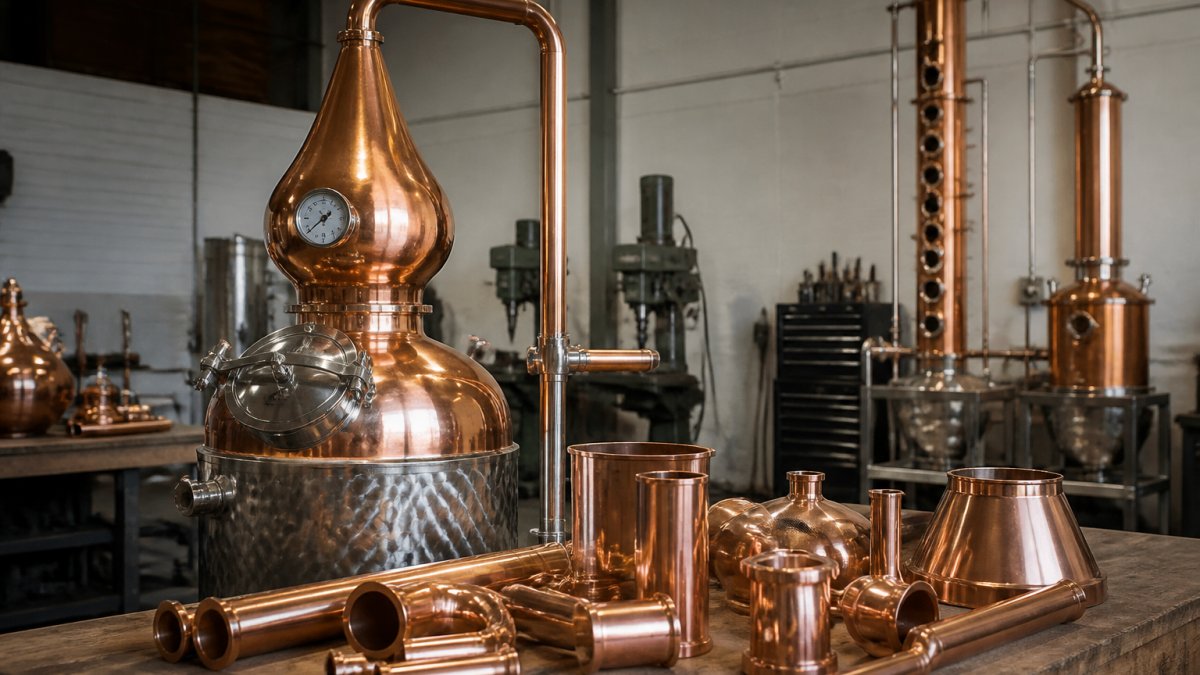
The price gap between a hand-made copper still and a thin-gauge import comes down to material purity, labor hours, and testing discipline, not marketing. At Steven StillZ LLC, we build every unit from 99.9% pure copper with lead-free silver bearing solder, which is why professional stills cost more than mass-produced alternatives. This guide breaks down where that money actually goes. Below, we'll show you the material, labor, and overhead differences that separate a hobby-grade unit from one built to last decades.
A common mistake buyers make is comparing two stills by price tag alone. That comparison hides the real variable: how much copper is in the walls, and how much time a human spent building it. The two factors drive nearly every other cost difference you'll see on a quote.
Material Quality: 99.9% Pure Copper vs. Thin Gauge Imports
Material grade is the first and largest cost driver. A still built from 20oz, 99.9% pure copper holds its shape under heat cycling, while thin-gauge imports dent and warp. Paul Revere Copper, which we use at Steven StillZ LLC, is rolled to a consistent thickness, so every seam and joint sits flush. That consistency is what allows a proper water and air pressure test to pass. Cheaper units often skip that step because their seams won't survive it.
Copper thickness also affects flavor. Copper binds sulfur compounds during distillation, which is why a metallic taste in a batch often traces back to a worn or thin-walled still rather than the recipe. A heavier, purer copper surface does more of that work.
Labor and Craftsmanship: Why Hand-Made Stills Take Longer to Build
Hand-building a still takes far longer than stamping one out on a production line. Each part is rolled, hemmed, and beaded by hand to lock structural integrity into the seams, then joined with lead-free silver bearing solder. That method takes hours per unit. It's also the reason a hand-made still holds up where a spot-welded import fails.
Photography Pricing Breakdown: What You're Actually Paying For
A professional quote is not a single number pulled from the air. It is a stack of cost categories, each with its own logic. Understanding that stack is the fastest way to see why a professional still costs more than an import, and why the gap is not arbitrary.
Here is a breakdown of the costs involved in a hand-built still:
- Raw materials. In still manufacturing, raw materials include copper sheet, lead-free silver bearing solder, fittings, and gaskets. Material grade drives the floor of the price. A 20oz, 99.9% pure copper body costs materially more per square foot than thin-gauge cladding over a steel core, and that difference shows up in the first line of the quote.
- Direct labor. A still maker's direct labor is rolling, hemming, beading, fitting, and soldering each seam by hand. Hand work cannot be compressed the way a stamping line compresses it, which is why labor hours per unit stay high even on a standard model.
- Testing and QA. Still makers run water and air pressure tests on every unit before it ships. A failed test means the unit goes back to the bench, not out the door. That rework time is real and it is priced in.
- Overhead. Shop space, tooling maintenance, insurance, software, and utilities do not appear on a client invoice, but they are paid every month whether or not a unit sells. Overhead is the quiet multiplier on every quote.
- Profit and reinvestment. A sustainable business sets aside margin to replace worn tooling, cover slow months, and fund the next improvement. A hobbyist selling on the side does not carry that line, which is part of why their price looks lower.
The practical result: two stills that look similar in a photo can carry very different cost structures underneath. The visible price is the sum of choices the maker made about each category above.
Professional Photography Overhead Costs That Never Show Up on the Invoice
Overhead is where the professional-versus-hobbyist gap is widest, and it is the part of the price clients understand least. None of the following line items appear on a client invoice, yet every one of them is paid before a single unit ships.
Equipment depreciation and replacement cycles. A working shop replaces tooling on a schedule, not when it finally breaks. Rollers, formers, shears, and soldering stations wear at predictable rates, and a shop that waits for failure loses production days it cannot bill for. Depreciation is a real cost even in a month with no purchases.
Insurance and liability coverage. A business that sells a pressure vessel carries product liability coverage. That premium is not optional for a legitimate operation, and it is priced against the risk of a failure in the field.
| Cost Category | What It Covers | Visible on Invoice? |
|---|---|---|
| Raw materials | Copper grade, solder, fittings | Partially |
| Labor | Rolling, hemming, beading, joining | No |
| Testing | Water and air pressure checks | No |
| Overhead | Shop space, tooling, insurance, software | No |
| Taxes and benefits | Self-employment tax, retirement, health coverage | No |
When you compare a $300 import to a hand-built still, you are partly comparing which overhead the seller chose to cut. That choice is the price difference.
Inside the Photography Post-Production Workflow
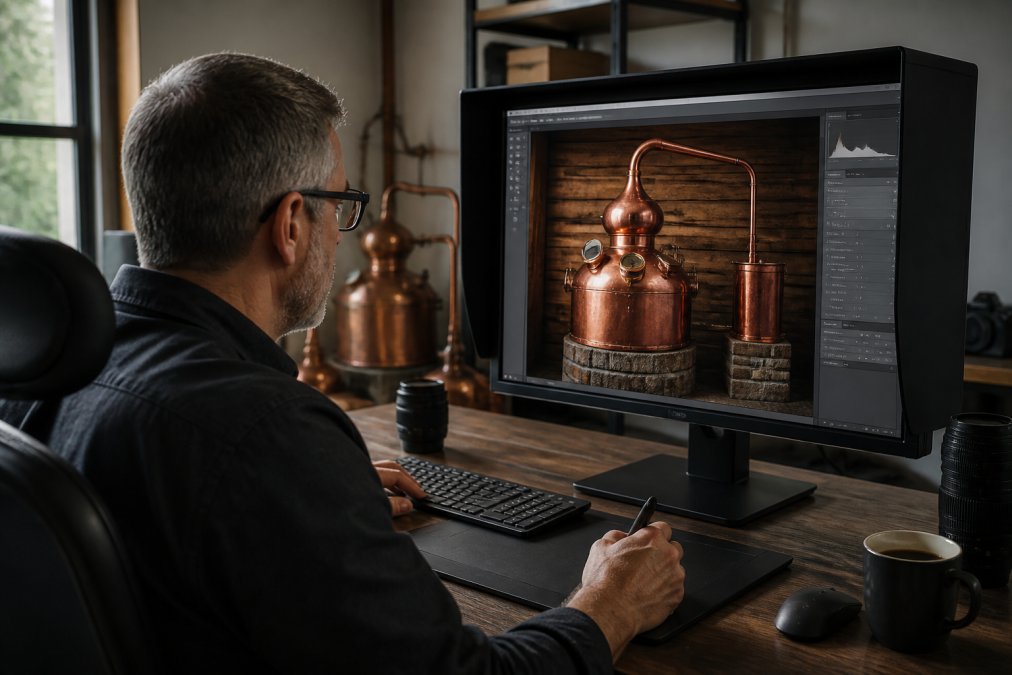
The photography post-production workflow mirrors what happens after a still is built: raw files get culled, edited, and delivered. A photographer shoots hundreds of frames, then spends hours on color correction and retouching before delivery. That time is billable even though the client never sees the raw files.
Day Rate vs. Project Fee: How Professional Stills Get Priced
A custom build with unusual dimensions gets quoted as a project fee, because the shop can't predict the hours in advance. A standard model can be priced closer to a day-rate model, since the build time is known.
The Hidden Cost of Licensing and Usage Rights
For stills, the equivalent is intellectual property and build documentation. A maker who keeps detailed build records can support a repair or replacement years down the line. That record-keeping is part of what you pay for, even though it never shows up as a line item.
Taxes, Retirement, and the Business Side of Professional Stills
Business taxes and retirement contributions sit underneath every professional price. A full-time maker pays self-employment tax, sets aside money for retirement, and covers their own health coverage. None of that exists for a hobbyist selling units on the side. That gap is a big part of why a professional still costs more than a weekend build. The price isn't just materials; it's the cost of running a sustainable business that will still be around when you need a replacement part.
Frequently Asked Questions
How much should professional photos cost?
There is no single answer because professional stills cost depends on the shoot type, licensing terms, and turnaround. A simple product session runs far less than a multi-day commercial campaign with full usage rights. What drives the number is the same set of inputs every time: materials, skilled labor, equipment depreciation, insurance, studio time, and post-production hours. Ask any photographer for a line-item quote and you will see where the money actually goes rather than a flat sticker price.
What factors contribute to the overhead costs of professional photographers?
Professional photography overhead costs include liability insurance, equipment depreciation on cameras and lighting, software licensing for editing suites, studio rent or location fees, marketing spend to win clients, and ongoing skill development. These are fixed expenses a photographer pays whether or not a shoot is booked. That is why a $500 session fee does not mean $500 in the photographer's pocket. A meaningful share covers the cost of simply staying in business between jobs.
Does the cost of professional stills include post-production and editing?
In most professional quotes, yes. The photography post-production workflow covers culling, color correction, retouching, and final image delivery, and it often takes longer than the shoot itself. A one-hour session can require three or more hours of editing before files are ready. When you compare quotes, check whether editing is bundled or billed separately. A lower headline rate that excludes retouching is rarely the better deal once the full workflow is added up.
What is the 20/60/20 rule in photography pricing?
The 20/60/20 rule is a common budgeting framework photographers use to split revenue: roughly 20 percent toward hard costs like gear, travel, and studio time, 60 percent toward the photographer's time and expertise including shooting and editing, and 20 percent toward business sustainability such as taxes, insurance, and profit. It is a planning tool, not a law. Actual splits vary by market and specialty, but the framework explains why a quote that looks high on paper often reflects real operating costs.
Buying a still is a long-term decision, and the cheapest option often costs more over time through leaks, repairs, and lost batches. Steven StillZ LLC builds every unit by hand from 99.9% pure copper with lead-free silver bearing solder, pressure-tests each one, and backs it with a 100% money-back or replacement guarantee. If you want equipment that performs the way it's described, order online 24/7 from Steven StillZ LLC and get a still built to last.