 listicle
High Quality Copper Distillation Equipment: 2026 Guide
Table of Contents
- What Separates High Quality Copper Distillation Equipment From the Rest
- Quick Comparison: Top Copper Distillation Equipment Makers
- Copper Still Sizes: Matching Capacity to Your Batch and Space
- Copper Still for Essential Oils: What to Look For
- Copper Distillation Equipment for Hydrosols: Steam vs. Water Distillation
- Copper vs Stainless Steel Still: Which Metal Belongs in Your Setup
- Total Cost of Ownership: Price, Maintenance, and Service Life
- Safety, Legal Compliance, and Intended-Use Boundaries
- Frequently Asked Questions
Last Updated: October 12, 2026
What Separates High Quality Copper Distillation Equipment From the Rest
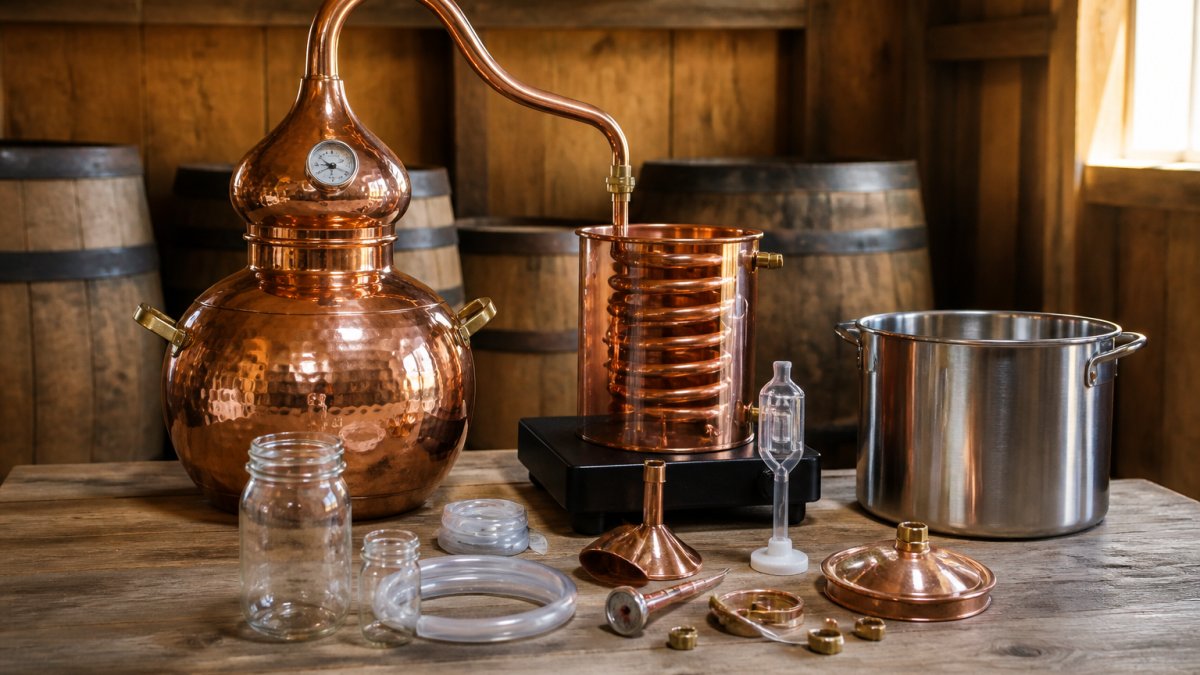
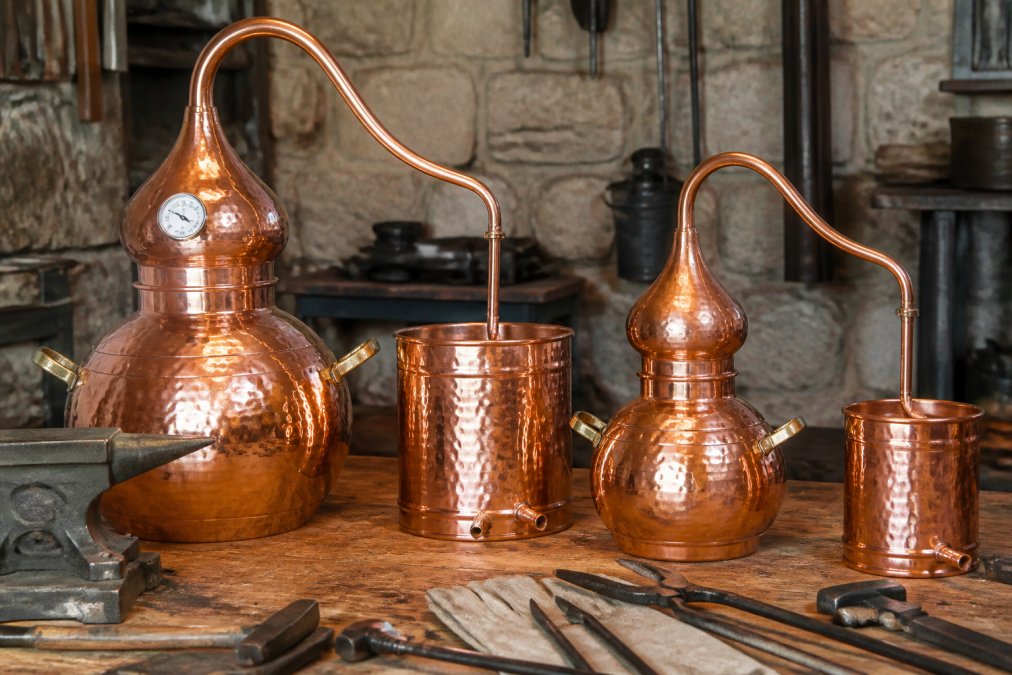
Copper distillation equipment separates alcohol, essential oils, or hydrosols from a fermented or botanical base through controlled heating and condensation.
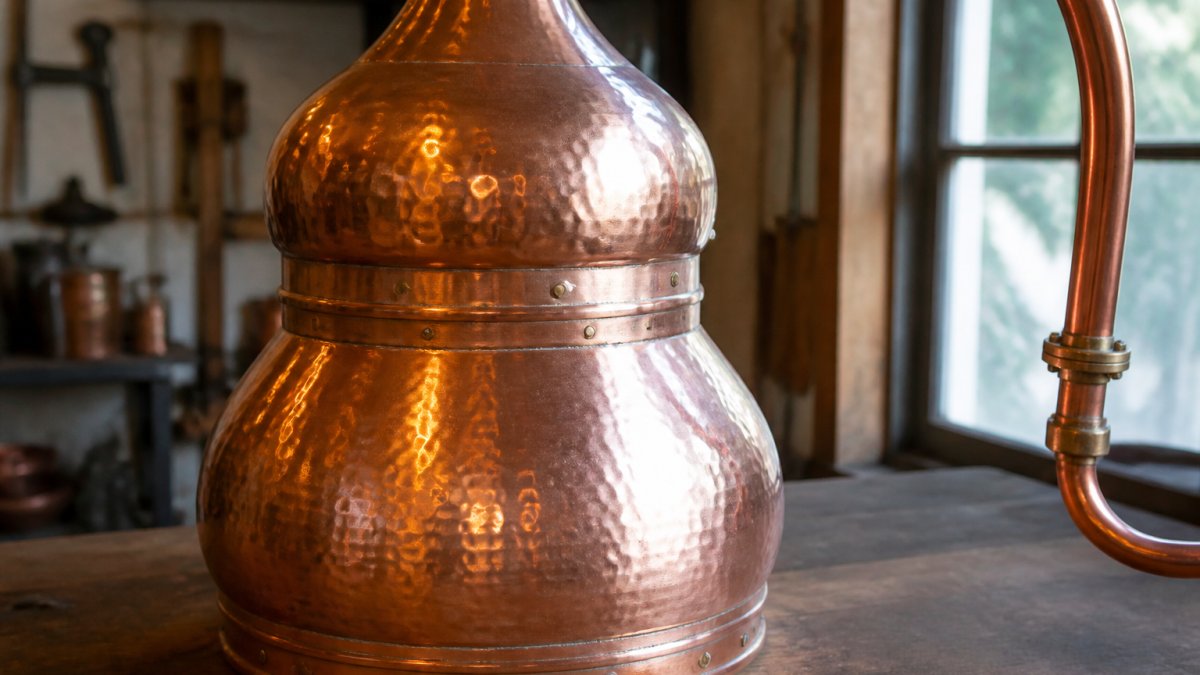
The difference shows up fast: a thin-gauge boiler with soft solder may run fine for a season, then develop pinhole leaks or leave a metallic edge in the distillate that no recipe adjustment fixes.
Below, we break down the specs that matter, compare leading makers, and show how to match capacity, metal, and safety to your setup.
Copper Grade, Thickness, and Solder: The Specs That Decide Performance
Three specifications decide how a copper still performs over its service life.
- Copper grade and purity. Look for stated purity, such as 99.9% pure copper. Food-grade copper should be free of alloys that can leach into the vapor path.
- Thickness. Gauge is usually given in ounces, such as 20oz copper. Thicker walls hold temperature more steadily and resist denting during cleaning.
- Solder. Every joint should use lead-free solder. Silver bearing lead-free solder adds joint strength on top of safety.
Copper's heat conductivity is why distillers choose it: it spreads heat evenly across the boiler surface, reducing scorching and keeping vapor production steady. Stainless steel heats more slowly and unevenly, which is why copper remains traditional for pot and alembic stills.
Quick Comparison: Top Copper Distillation Equipment Makers
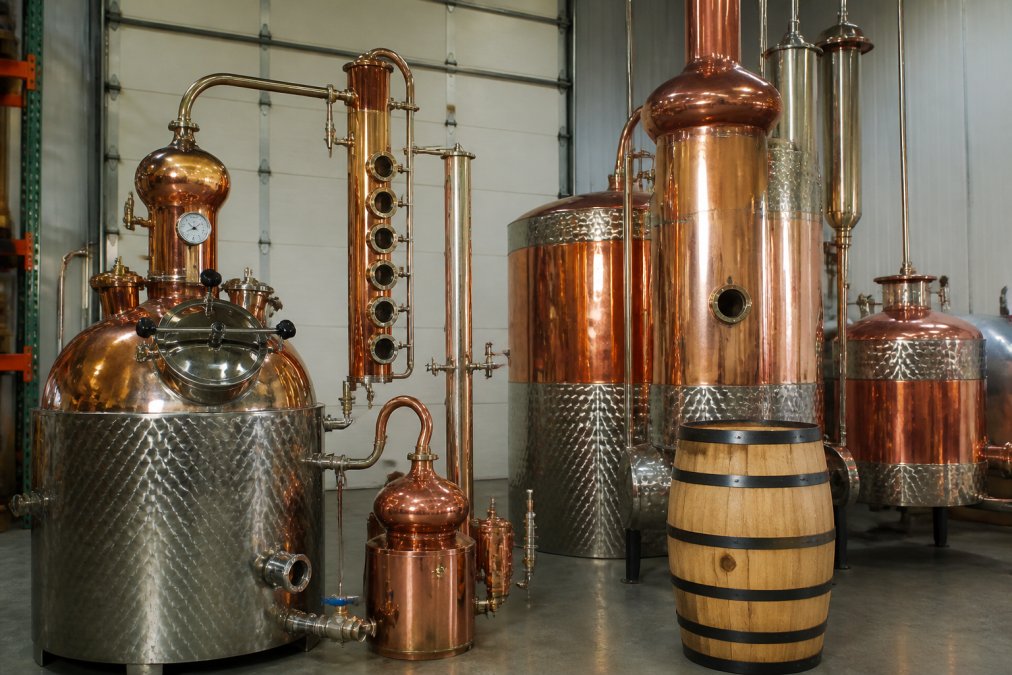
The copper distillation equipment market splits into four tiers: hand-built artisan stills, commercial-scale fabrication, essential-oil kits, and imported systems.
| Maker | Best For | Listed Price | Notes |
|---|---|---|---|
| Steven StillZ LLC | Hobbyists and small producers wanting hand-built purity | Quote on request | 99.9% pure copper, lead-free silver solder, pressure-tested |
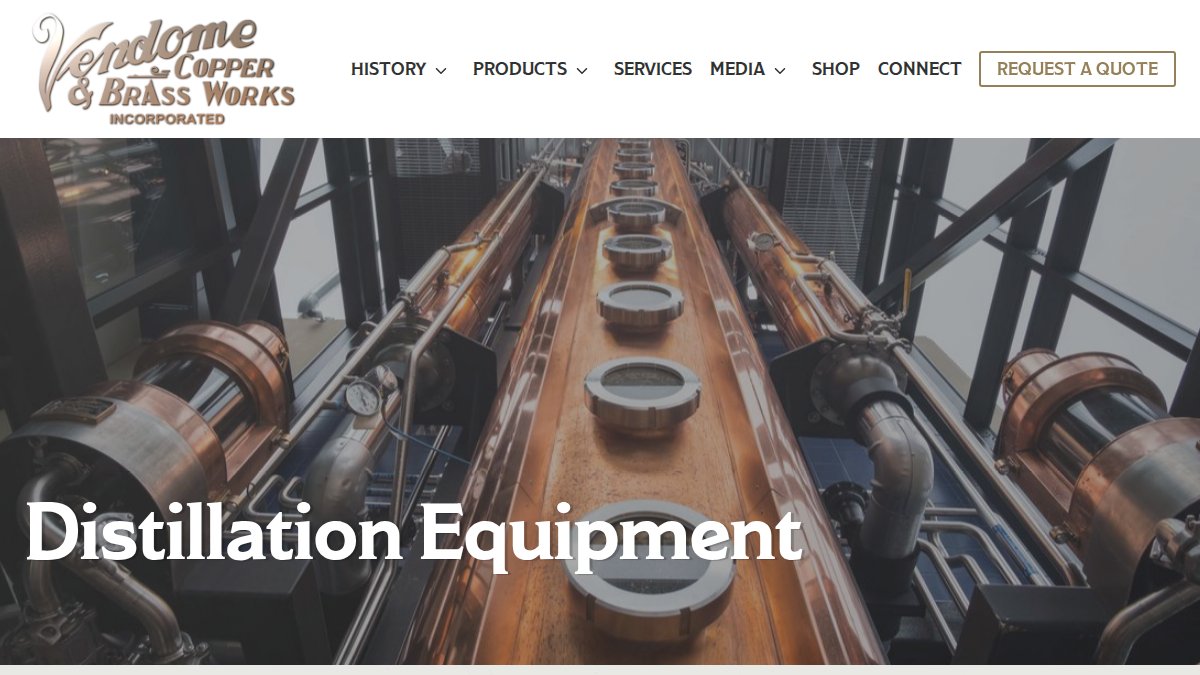
| Vendome Copper & Brass Works | Commercial distilleries needing custom systems | Quote-based; baseline price list available | Batch stills, continuous columns, doublers, mash coolers |
| Copper-Pro | Essential oil extraction | Not listed | Cites thermal stability and corrosion resistance |
| YoLong Brewtech | Custom-designed distillery equipment | Not listed | Custom design, easy installation cited |
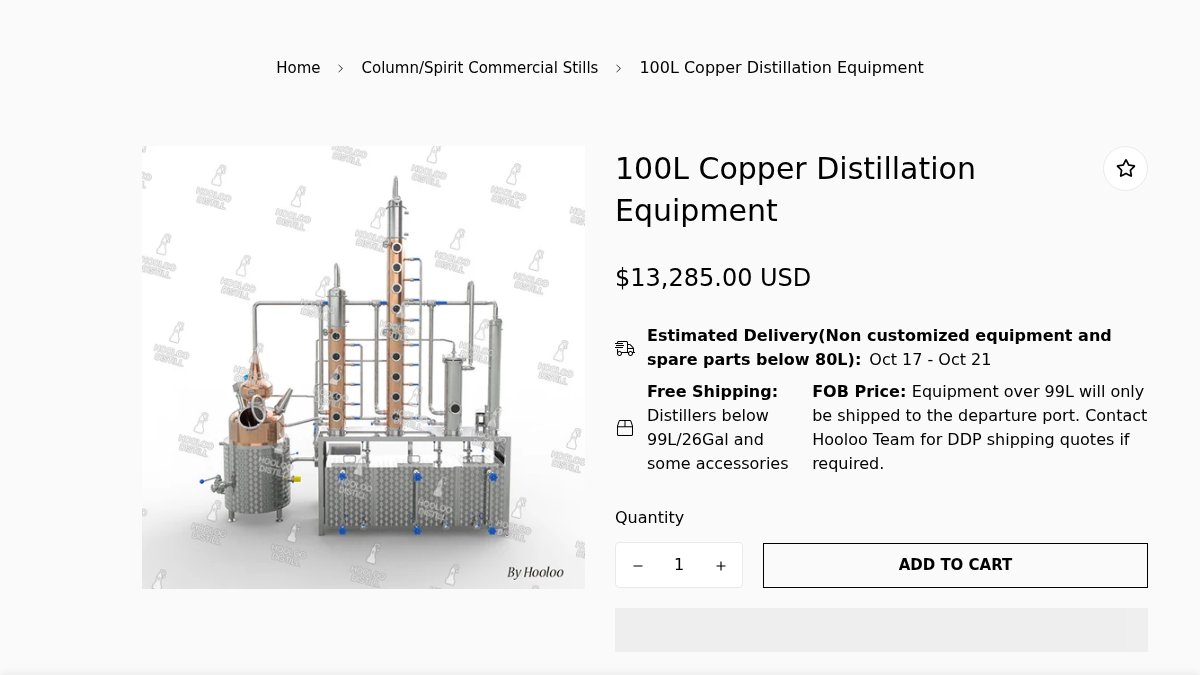
| Hooloo Distill | Buyers wanting a stated 100L system | $13,285.00 | 100-liter capacity, TIG welded |
| Daeyoo (DYE) | Handcrafted copper pot stills | Not listed | Identified in a 2026 manufacturer roundup |
Several makers publish no pricing because systems are built to order; the one figure above comes from the maker's listed product page.
Copper Still Sizes: Matching Capacity to Your Batch and Space
Copper still sizes run from compact 2-liter kits up to 100-gallon craft units, and the right size depends on batch volume, ceiling height, and heat source. Too small means constant reloading; too large means half-full batches that distill unevenly.
Use this decision framework:
- Under 5 liters: Home essential oil and hydrosol production, benchtop use.
- 5 to 30 liters: Serious hobbyist spirit runs, small-batch experimentation.
- 50 to 100 liters: Small commercial or educational production.
Measure your space before ordering: a column adds height above the boiler, and a condenser needs clearance plus a water source. Capacity in liters and gallons should both appear on the spec sheet.
Copper Still for Essential Oils: What to Look For
A copper still for essential oils needs a gentler, more controllable heat profile than a spirit still, because botanical material scorches easily and carries burnt, muddy notes into the hydrosol and oil. The still is only half the equation, the other half is verifying the metal and matching the method to the plant.
Start with the specifications you can actually check before purchase:
- Copper grade and thickness. Ask for stated purity (99.9% pure copper is a common benchmark) and wall thickness in ounces, such as 20oz copper. Thicker walls hold temperature more steadily when running delicate flowers at low heat.
- Solder at every joint. The vapor path touches every seam. Lead-free solder is the floor; silver bearing lead-free solder adds joint strength on top of safety. If a listing cannot state the solder composition, treat that as a gap in the build documentation.
- Food-contact suitability. Copper is traditional, but fittings, gaskets, and internal components should also be food-grade and non-reactive. Exposed brass or unknown alloys in the vapor path can introduce off-notes.
Match the Method to the Plant Material
The two methods behave differently, and the choice changes both your yield and your equipment list:
Steam distillation passes steam through plant material held above the water. It suits delicate flowers and leafy herbs because the material never contacts boiling water, so heat damage stays minimal and the hydrosol keeps a cleaner scent profile. It requires a basket or column.
Water distillation submerges the material directly in the boiling water. It suits denser materials, roots, bark, seeds, that need direct contact with heat to release their oils. It is simpler to set up but harder to control, because the material sits at full boiling temperature for the whole run.
Both methods produce hydrosol as the condensed water portion and essential oil as the separated fraction. Temperature stability across the run keeps the aromatic profile consistent from first bottle to last.
What Most Guides Skip
Plant material quality and herb freshness matter as much as the still. A well-built copper still extracts cleanly, but it cannot rescue dried-out or poorly stored botanicals, harvest timing, drying, and storage all shape the final oil before the still is fired.
Copper Distillation Equipment for Hydrosols: Steam vs. Water Distillation
Copper distillation equipment for hydrosols works on one of two methods, and the choice changes both your yield and your equipment needs.
Steam distillation is the better choice for delicate flowers and herbs.
Water distillation suits denser materials like roots, bark, and seeds that need direct contact with heat to release their oils.
Both methods produce hydrosol as the condensed water portion and essential oil as the separated fraction.
Copper vs Stainless Steel Still: Which Metal Belongs in Your Setup
Copper wins on heat conductivity, flavor clarity, and tradition; stainless steel wins on price, cleaning ease, and corrosion resistance against certain washes. The best setups often use both, and the decision should rest on verifiable specifications, not brand claims.
Here is how they compare on the criteria that matter:
| Criterion | Copper | Stainless Steel |
|---|---|---|
| Heat conductivity | High, spreads heat evenly | Lower, slower to respond |
| Flavor and aroma | Reacts with sulfur compounds, cleans up distillate | Neutral, no interaction |
| Maintenance | Requires polishing, patinas over time | Wipes clean, no patina |
| Corrosion resistance | Good, but reacts to acidic washes | Excellent across most washes |
| Cost | Higher | Lower |
| Service life | Decades with care | Long, but dents and welds can fail |
Copper's reaction with sulfur compounds is the technical reason it improves flavor clarity. Sulfur carries harsh, rotten notes into distillate; copper binds those compounds in the vapor path, so they never reach your collection jar.
The Specification Checklist Nobody Publishes
Most comparison pages stop at the table above. The gap is in the details that determine whether a still is safe and durable:
- Copper grade and thickness. Look for stated purity (99.9% pure copper is a common benchmark) and wall thickness in ounces, such as 20oz copper. Thicker walls hold temperature more steadily and resist denting during cleaning.
- Solder composition. Every joint in the vapor path should use lead-free solder. Silver bearing lead-free solder adds joint strength on top of safety. If a listing cannot state the solder composition, that silence is information.
- Pressure testing. A still that leaks vapor is a fire and health hazard. Every unit should be water- and pressure-tested before shipping, and you should inspect joints before each run.
Hybrid Configurations: Where the Two Metals Work Together
A hybrid setup pairs a stainless boiler with a copper vapor path. The stainless boiler handles acidic washes without the corrosion concern bare copper faces, while the copper column or internals still bind sulfur compounds in the vapor. This is common among small producers running a range of recipes who do not want to choose one metal for every batch.
Total Cost of Ownership: Price, Maintenance, and Service Life
Total cost of ownership for copper distillation equipment is the purchase price plus maintenance, replacement parts, and energy use across the unit's service life, not the sticker price alone.
Break the math into four lines:
- Purchase price. Get a written quote, since most makers build to order.
- Maintenance. Copper needs periodic polishing and joint inspection. Budget time, not just money.
- Replacement parts. Gaskets, seals, and thermometers wear out first. Confirm parts availability before buying.
- Energy use. Copper's heat conductivity means it reaches temperature faster and holds it with less fuel than stainless, which lowers operating cost over years of runs.
Service life is where build quality pays off: parts that are rolled, hemmed, and beaded resist stress at the seams, where cheap stills fail first. A unit individually built, inspected, and tested before shipping starts with fewer weak points.
Safety, Legal Compliance, and Intended-Use Boundaries
Safety and legal compliance come down to three areas: pressure integrity, heat source compatibility, and what you may legally distill where you live.
Pressure integrity. A still that leaks vapor is a fire and health hazard.
Heat source compatibility. Most copper pot stills work with propane burners, electric elements, or wood fire, depending on boiler design.
Legal boundaries. Distilling spirits for drinking requires federal and state permits in most cases. The Alcohol and Tobacco Tax and Trade Bureau publishes the federal permitting requirements, and your state alcohol control board adds its own rules on top.
Choosing copper distillation equipment is a decision about how long your still will last and how clean your distillate will taste.
Frequently Asked Questions
What should I look for in high quality copper distillation equipment?
Check four things: copper purity (99.9% pure copper is the benchmark), copper thickness (20oz machine-cut plate holds shape better than thin sheet), solder composition (lead-free silver bearing solder avoids contamination risk), and pressure testing. Ask whether each unit is water and air pressure tested before shipping. Thicker copper and hemmed, beaded seams resist denting and leaking over years of heating cycles, which matters more than any single feature on a spec sheet.
Is copper or stainless steel better for a distillation still?
It depends on what you distill. Copper conducts heat faster, spreads it evenly, and reacts with sulfur compounds during distillation, which strips harsh notes and improves flavor clarity in spirits. Stainless steel is cheaper, needs less cleaning, and won't patina. For essential oils, hydrosols, and craft spirits where aroma matters, copper has the edge. For neutral high-volume work where cost and low maintenance dominate, stainless steel is a reasonable pick. Many commercial setups combine both.
How do I choose the right size copper still?
Size comes down to batch volume and headroom. A still should never be filled past about two-thirds of its boiler capacity, since foaming and expansion need space. A 2-liter unit suits small essential oil batches; 20 to 100 liters fits serious hobby and micro-distillery work; 80 to 100 gallons serves craft production. Match the boiler to your largest planned batch, not your average one, and confirm your heat source and ceiling height can handle the full assembled height.
Are handmade copper stills better than machine-made stills?
Handmade stills from a reputable builder typically use thicker copper plate and hand-formed seams that are rolled, hemmed, and beaded for structural integrity. That construction resists stress cracking better than thin stamped shells. Machine-made units can be perfectly serviceable and cost less, but quality varies widely. The deciding factor is not handmade versus machine-made; it is verified copper thickness, lead-free solder, and whether the builder pressure tests every unit before it ships.
How do you clean and maintain a copper still?
Rinse the boiler and condenser with warm water after every run, then dry immediately to prevent spotting. For heavier residue, use a mild acid wash (diluted vinegar or a commercial copper cleaner), never abrasive pads that scratch the interior. Keep the column and condenser free of buildup, inspect solder joints and gaskets each season, and store the unit dry with the lid off. A well-maintained copper still can last decades, which is why service life belongs in your cost comparison.