 how-to
Signs of Inferior Still Construction: A Buyer's Guide
Table of Contents
- What Poor Workmanship Looks Like in Copper Still Construction
- How to Verify Copper Purity in Your Still
- Inspecting Copper Still Solder Joints for Quality
- Copper Still Leak Testing: How to Verify Performance
- Project Delays and Unfinished Work as Red Flags
- Building Your Copper Still Buying Checklist
- Distinguishing Cosmetic Issues from Structural Hazards
- Frequently Asked Questions
Last Updated: October 11, 2026
What Poor Workmanship Looks Like in Copper Still Construction
When you're investing in a copper still, the difference between quality craftsmanship and inferior still construction shows up immediately if you know where to look. Signs of inferior still construction fall into two categories: visible defects you can spot with your eyes, and structural problems that compromise performance.
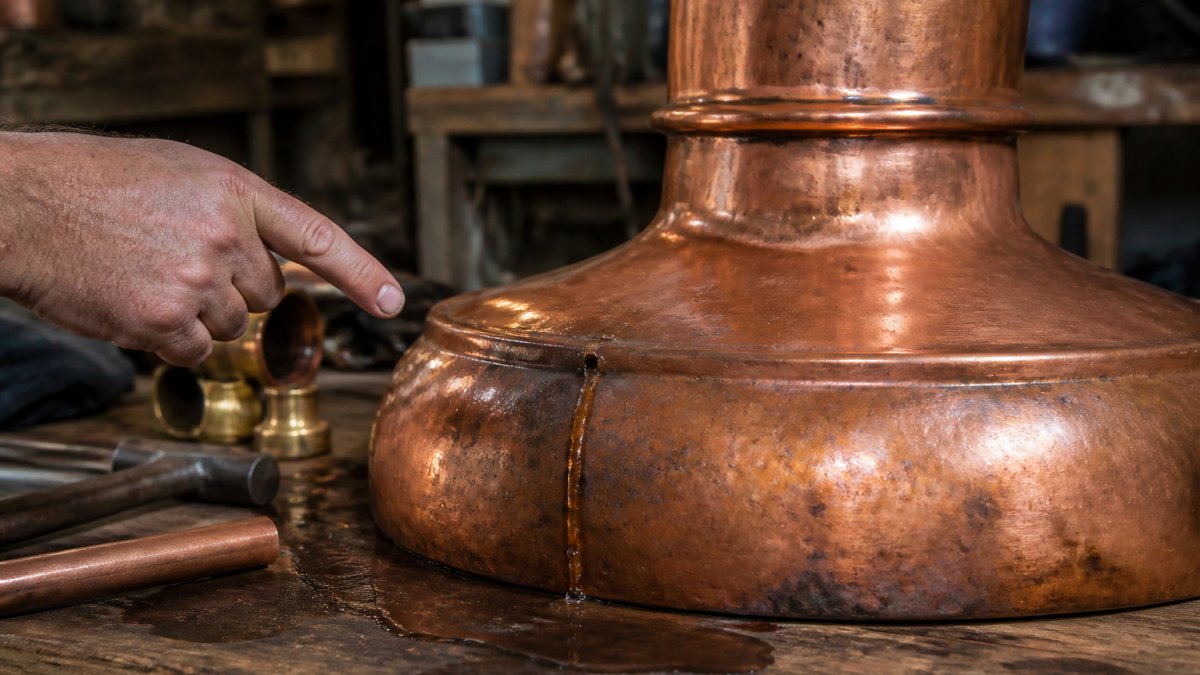
The most telling sign is inconsistent seaming. Run your hand along the joints where copper panels meet. Quality work feels smooth. Inferior construction leaves rough edges, gaps, or solder that bulges unevenly. These aren't cosmetic issues, they're entry points for leaks.
Look at the hemming and beading. We hand-roll, hem, and bead every edge for structural integrity. When a still skips this step, the raw copper edges become weak points. Pressure testing reveals the problem, but by then you've already purchased it.
Visible defects that signal inferior craftsmanship
Dents and dings matter less than how they're repaired. A small dent in transit is forgivable. A dent that's been hammered back out without proper annealing weakens the copper at that spot. The metal becomes brittle. Stress cracks follow.
Check for color inconsistency. Pure copper has a uniform reddish-orange tone. Discoloration or patchy areas suggest mixed metals or contamination during construction. This changes how the copper conducts heat and affects the still's performance.
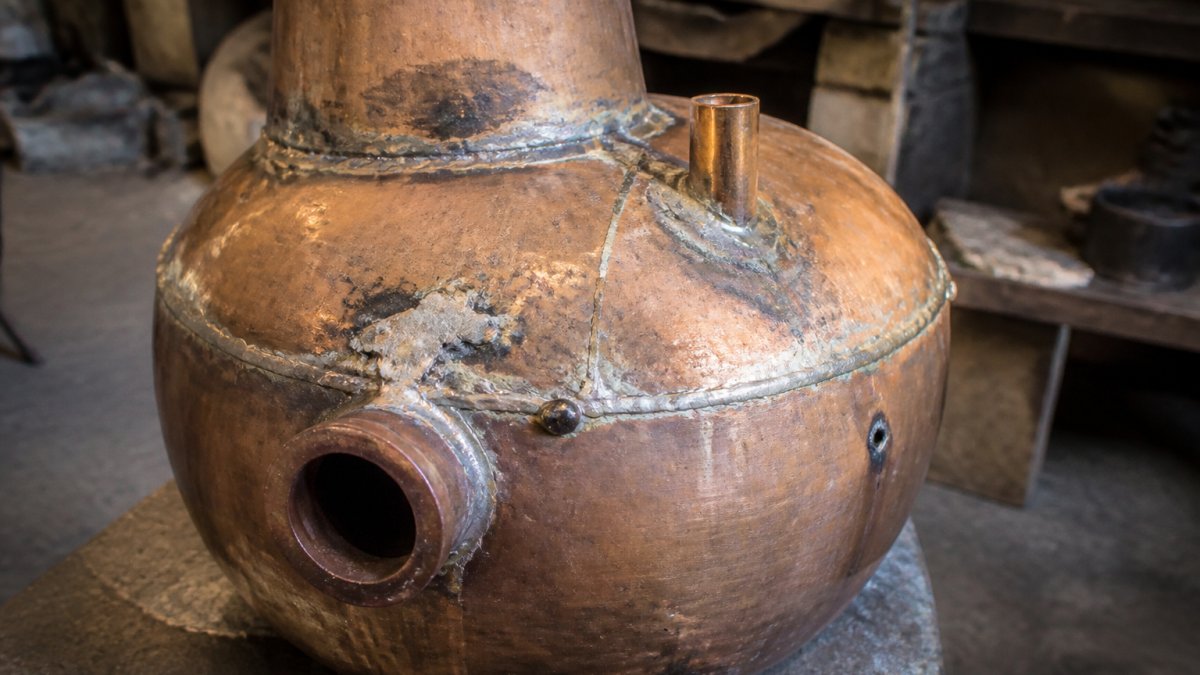
Solder drips and excess material indicate rushed work. Quality construction removes excess solder cleanly. Sloppy solder work suggests the builder wasn't focused on precision, which means other details were probably rushed too.
Structural integrity issues you can spot
Pick up the still and feel its weight distribution. Quality construction balances evenly. If one side feels heavier, internal bracing may be missing or improperly installed. This affects stability during operation and increases stress on welds.
Look inside through any access points. You should see clean, organized internal work. Visible debris, loose material, or disorganized bracing are red flags. These suggest the builder didn't clean the still after construction, a basic quality control step.
Check how the condenser connects to the main body. The joint should be tight and uniform. Gaps or uneven spacing mean the seal isn't reliable. Water will find those gaps.
How to Verify Copper Purity in Your Still
Copper purity determines how your still performs. Pure copper conducts heat efficiently and resists corrosion. Lower grades introduce problems you'll face every time you run a batch.
What pure copper should look and feel like
True 99.9% pure copper has a specific appearance. The color is consistent reddish-orange without gray or dull patches. Shine a light on it, quality copper reflects light evenly. Discoloration suggests alloying metals mixed in.
Feel the weight. Copper is dense. A still that feels light for its size may contain cheaper metals or have hollow sections where bracing should be. Legitimate builders use Paul Revere Copper, which meets strict purity standards.
Ask for documentation. Reputable builders provide mill certificates proving copper grade. If a builder won't show you proof, the copper probably isn't what they claim.
Red flags that indicate lower-grade copper
Greenish or whitish tones signal oxidation problems or contamination. Some alloys oxidize faster than pure copper. If the still has been sitting and shows heavy patina, that's normal. But if it shows green corrosion (verdigris) while brand new, the copper grade is suspect.
Brittleness is a major warning sign. Tap the copper gently with a small hammer. Pure copper dents slightly and rebounds. Brittle copper cracks or shatters. This happens when cheaper metals are mixed in.
Price that seems too low is your biggest clue. Quality copper stills require expensive materials and skilled labor. If the price is significantly below market, corners were cut somewhere. Usually it's the copper itself.
Inspecting Copper Still Solder Joints for Quality
Solder joints are where most leaks start. The solder must bond completely to both copper surfaces and create a watertight seal. Inferior solder or poor technique leaves weak points.
What proper solder joints should look like
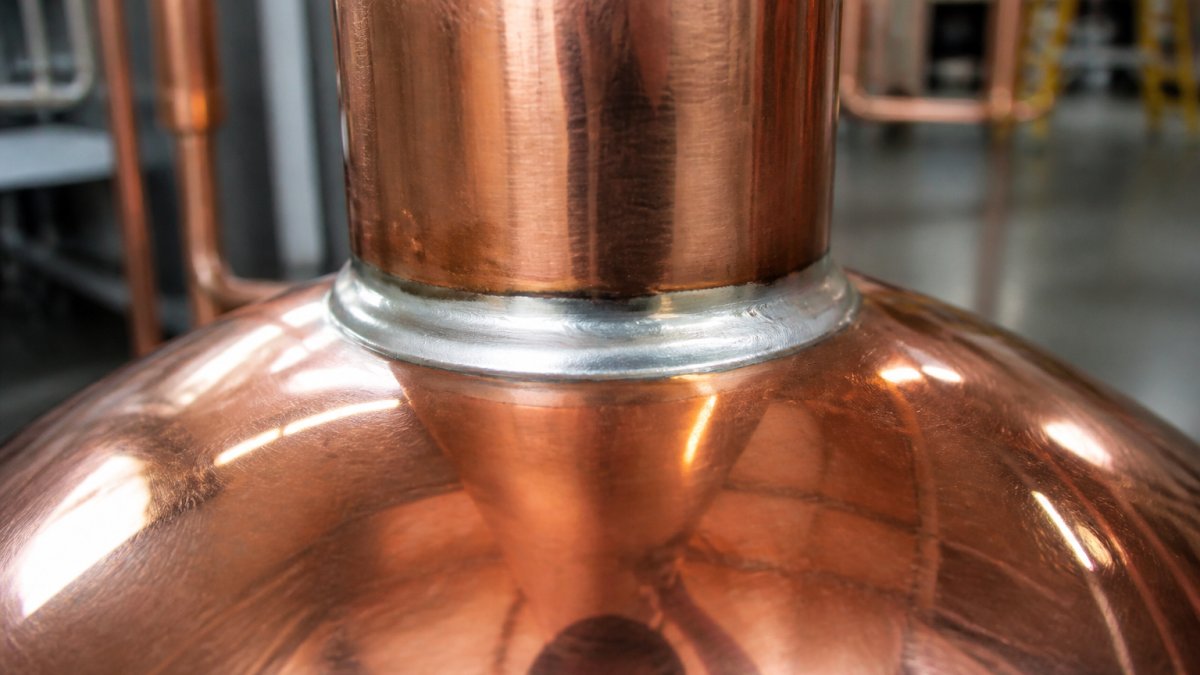
A quality solder joint has a smooth, shiny silver appearance. The solder flows evenly along the joint line, creating a consistent bead. The edges blend smoothly into the copper without sharp transitions or lumps.
Run your finger along the joint carefully. It should feel smooth. You shouldn't feel gaps, rough spots, or solder that's lifted away from the copper. These are signs the solder didn't bond properly.
The joint should be uniform in width. If solder pools on one side and is thin on the other, the builder didn't heat the joint evenly. This creates weak spots that fail under pressure.
Signs of weak or contaminated solder
Dull or grainy solder surface indicates poor quality or contamination. Lead-bearing solder produces a dull finish. Quality lead-free silver-bearing solder has a bright, shiny appearance.
Look for voids, tiny holes or gaps within the solder. These are air pockets that weaken the joint. Voids form when solder cools too quickly or when the joint wasn't cleaned properly before soldering.
Cracked solder is a critical failure sign. Small cracks spread under pressure and temperature cycling. If you see any cracks, the still will leak. This is not repairable, it's a manufacturing defect.
Copper Still Leak Testing: How to Verify Performance
Leak testing is the only way to know if a still will perform. Visual inspection catches obvious problems, but hidden leaks only show up under pressure. Every still should be tested before you receive it.
Water pressure testing explained
The builder fills the still with water and pressurizes it to simulate operating conditions. Pressure testing is more rigorous than air testing because water exposes leaks that air might miss. The still is held under pressure for a set time, usually 30 minutes or longer.
You should receive documentation of the test results. This shows the pressure applied, how long the still held it, and confirmation that no leaks occurred. Reputable builders perform rigorous water and air pressure testing on every unit and provide test documentation with your purchase.
Ask the builder for the test pressure used. Higher pressure reveals more potential problems. A still tested at 5 PSI might leak at 10 PSI during actual use.
What to look for during a leak test
If you're present for testing, watch for water dripping from any seams or joints. Even tiny drips mean the seal failed. The still should remain completely dry throughout the test period.
After testing, inspect the still carefully for water stains or mineral deposits. These show where water leaked and dried. Stains indicate the seal wasn't complete.
Request written confirmation that the still passed testing. This protects you if problems develop later. A builder who won't provide test documentation is hiding something.
Project Delays and Unfinished Work as Red Flags
Construction delays happen, but persistent delays signal deeper problems. If your still is months behind schedule, the builder may be facing financial trouble, quality control issues, or staffing problems. Any of these affects the final product.
Unfinished work is a serious warning. Before you accept delivery, the still should be complete and tested. Missing components, unfinished welds, or incomplete testing mean you're accepting a product that hasn't been properly verified. Never accept a still with the promise that final steps will be completed later.
Check the delivery timeline. Quality builders provide realistic estimates and communicate delays promptly. If you're getting vague answers about when your still will ship, reconsider your purchase.
Building Your Copper Still Buying Checklist
Before you commit to a purchase, verify these critical details. This checklist protects your investment and ensures you receive what you're paying for.
Pre-purchase inspection steps
- Request mill certificates proving copper grade and purity
- Ask for photos of the specific still you're purchasing (not just generic examples)
- Verify the builder performs water and air pressure testing
- Ask for test documentation showing pressure levels and results
- Check that all seams are hemmed and beaded for structural integrity
- Confirm the solder is lead-free silver-bearing
- Request references from previous customers
- Verify the builder's experience and how long they've been in business
- Ask about the warranty or guarantee on materials and workmanship
Documentation and guarantees to verify
Get everything in writing. A verbal promise means nothing if problems develop. Your purchase agreement should specify materials used, testing performed, and what happens if the still fails.
Guarantees matter. Reputable builders back every still with a 100% money-back or replacement guarantee. This confidence comes from rigorous quality control. A builder unwilling to stand behind their work is a red flag.
Ask about support after delivery. Will the builder help troubleshoot if you have questions? Will they repair defects that appear later? Quality builders stay available to their customers.
| Verification Step | What to Check | Red Flag |
|---|---|---|
| Copper Grade | Mill certificate showing 99.9% purity | No documentation or vague answers |
| Solder Type | Lead-free silver-bearing solder | Dull finish or unknown composition |
| Testing | Written proof of water and air pressure testing | No test documentation provided |
| Seams | Smooth, uniform hemming and beading | Rough edges or visible gaps |
| Delivery | On-time shipping with tracking | Repeated delays or vague timelines |
| Warranty | Money-back or replacement guarantee | Limited or no warranty offered |
Distinguishing Cosmetic Issues from Structural Hazards
Not every imperfection is a problem. Small cosmetic issues don't affect performance. Structural problems do.
Cosmetic issues include minor discoloration, small dents that don't affect function, or slight color variation from age. These don't compromise the still's ability to work.
Structural hazards include cracks in copper, weak solder joints, gaps in seams, or missing bracing. These lead to leaks, pressure failures, or heat distribution problems. Never accept a still with structural issues.
When you receive your still, inspect it carefully. Test it immediately if possible. If you find problems, contact the builder right away.
Buying a copper still is a significant investment. You're not just purchasing equipment, you're investing in the quality of your batches and the reliability of your process.
The difference between a quality still and an inferior one comes down to materials, craftsmanship, and testing.
Frequently Asked Questions
What are the signs of poor workmanship in a copper still?
Poor workmanship shows up as uneven seams, rough or incomplete solder joints, visible dents or creases, misaligned components, and inconsistent hemming or beading. Cracks around joints, discolored or pitted copper, and gaps between connected pieces are serious red flags. Run your hand over seams, they should feel smooth and uniform, not rough or jagged. Inferior construction often means the builder rushed through assembly or skipped proper finishing steps.
How can you verify the purity of copper used in a still?
Genuine 99.9% pure copper has a consistent warm reddish-orange color throughout, not dull, grayish, or patchy. Ask the manufacturer for documentation of copper sourcing and purity certification. Paul Revere Copper and similar high-grade suppliers provide batch verification. Tap the copper gently, pure copper produces a clear, bell-like tone. Lower-grade copper sounds duller. Weight matters too: pure copper is denser, so a still of the same size should feel noticeably heavier than one made from inferior alloys.
What should I look for when checking a still for leaks before using it?
A reputable manufacturer will have already performed water and air pressure testing before shipping. Ask for a test report or certificate. If you're inspecting one yourself, fill the still with water and pressurize it gently using an air pump, then look for drips, weeping, or moisture at every joint and seam. Pay special attention to solder joints, as these are the most common failure points. Let it sit under pressure for 10-15 minutes, slow leaks may not appear immediately. Any seepage means the joint failed and the still is unsafe to use.
Why does copper purity matter in a still?
Pure copper conducts heat evenly, which ensures consistent distillation and prevents hot spots that can scorch your product or create off-flavors. Lower-grade copper or copper-plated alternatives don't distribute heat uniformly, leading to uneven separation of vapors and inferior product quality. Pure copper also resists corrosion from alcohol and acidic compounds, ensuring your still lasts for years. Impure copper can leach unwanted metals into your spirits, compromising both taste and safety. Investing in 99.9% pure copper protects your batches and your equipment.