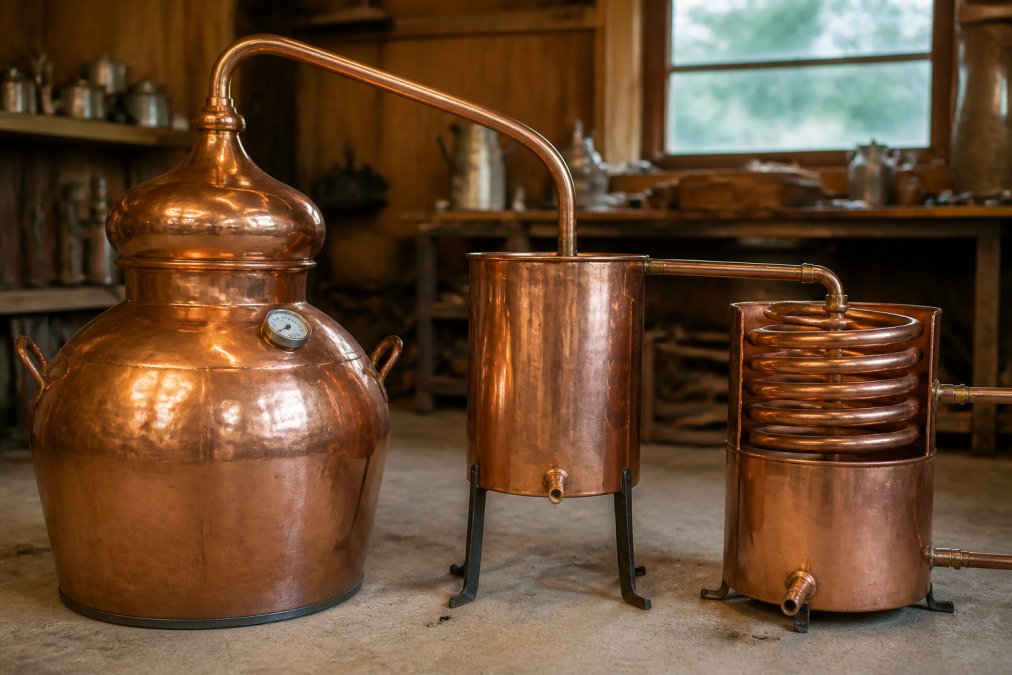
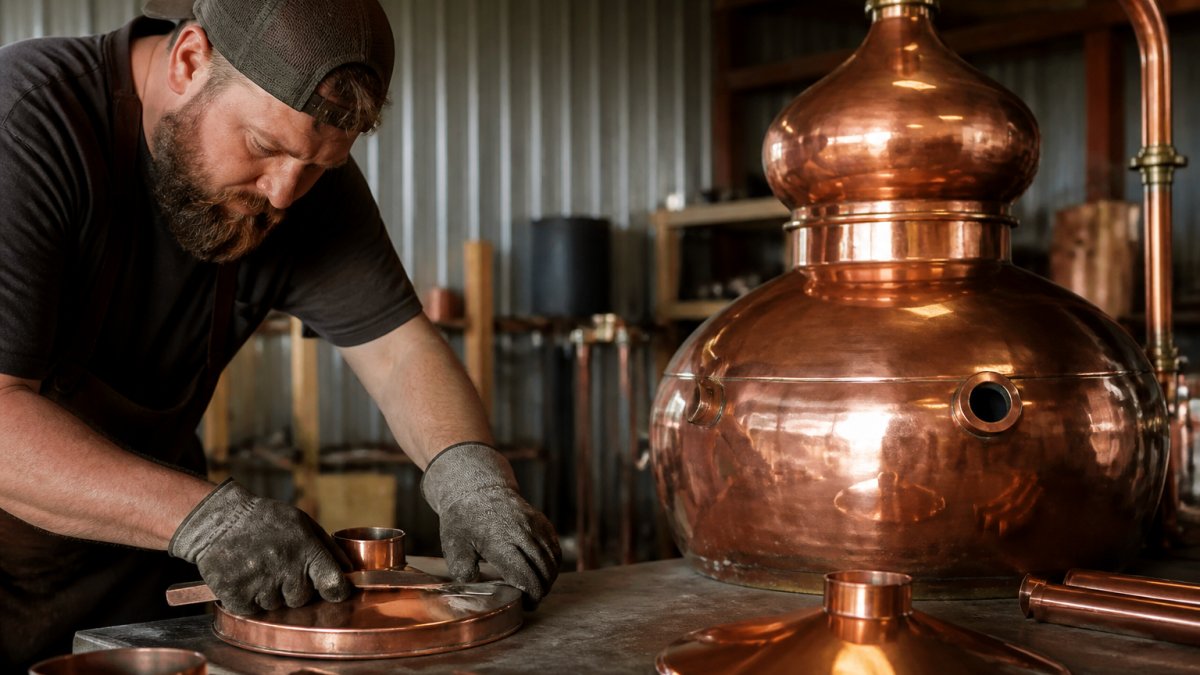
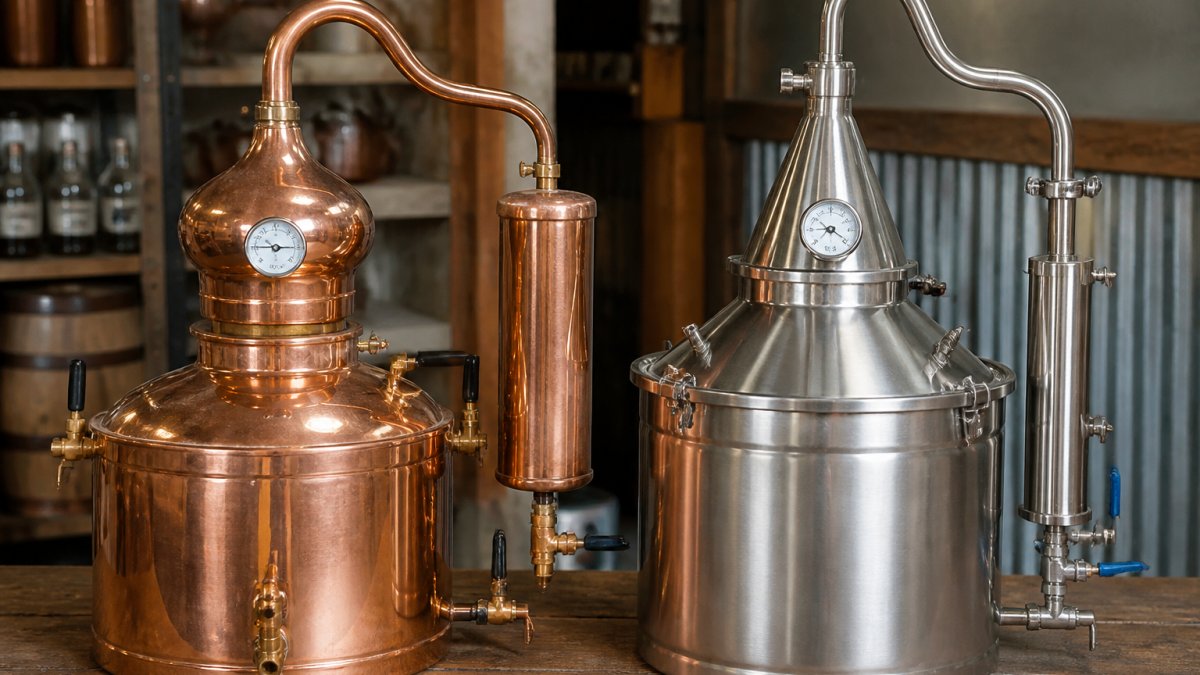
 blog
blog
Is Professional Grade Still Worth It? A 2026 Guide
Table of Contents
- What Professional Grade Actually Means for a Still
- Copper Still vs Stainless Steel Still: Which Lasts Longer?
- Copper Still Price: What You're Actually Paying For
- Handmade Copper Still: Why Craftsmanship Changes Performance
- Copper Still Maintenance: Time, Effort, and Long-Term Costs
- Who Should Upgrade to Professional Grade (and Who Shouldn't)
- The Verdict: Is Professional Grade Still Worth It in 2026?
- Frequently Asked Questions
Last Updated: October 7, 2026
What Professional Grade Actually Means for a Still
The question "is professional grade still worth it" comes down to one thing: whether better materials and tighter build standards change what comes out of the condenser. This guide from Steven StillZ LLC breaks down the real differences so you can decide with facts, not marketing claims.
Professional grade refers to equipment built from thicker, purer materials and assembled to tighter tolerances than mass-market gear. In distillation, that means copper thickness, solder quality, and pressure-tested seams.
Three things separate professional-level gear from consumer grade:
- Material purity. Higher copper content means better heat transfer and fewer off flavors.
- Build method. Hand-built, hemmed, and beaded seams hold up better than stamped, spot-welded joints.
- Testing. Every unit should be water and pressure tested before it ships.
Many hobbyists assume a cheaper unit will perform the same for a year or two. It often does, until seams weep or flavors turn metallic.
What most guides miss is that "professional grade" is not a brand label. It is a set of measurable build standards. When you compare stills, ask what copper gauge is used, what solder, and how the unit was tested. Those answers tell you more than any badge on a box.
U.S. Consumer Product Safety Commission guidance on lead in consumer products
Materials, Build Quality, and the Real Difference
Thicker copper holds heat more evenly, which gives you better control over your run. Thin copper flexes as it heats and cools, and those cycles stress every seam.
Solder matters just as much. Lead-free silver bearing solder keeps the vapor path clean. Cut-rate builders sometimes use whatever solder is cheapest, and that is where contamination worries start.
A common mistake is judging a still by its photo. Weight, seam style, and finish tell you far more. Rolled and hemmed edges resist stress. Spot-welded or glued joints do not.
Copper Still vs Stainless Steel Still: Which Lasts Longer?
Stainless steel lasts longer in raw years, but copper wins on performance. Copper conducts heat better and reacts with sulfur compounds that cause off flavors. That reaction is a feature, not a flaw.
Here is the trade-off in plain terms:
| Factor | Copper Still | Stainless Steel Still |
|---|---|---|
| Heat transfer | Excellent | Moderate |
| Flavor impact | Removes sulfur notes | Neutral, can carry them |
| Maintenance | Regular cleaning needed | Low effort |
| Lifespan | Long with care | Very long |
| Cost | Higher upfront | Lower upfront |
Stainless steel suits neutral spirits and low-maintenance schedules. Copper suits anyone chasing flavor. Many serious distillers run a copper column or copper packing inside a stainless boiler to get both.
What "Lasts Longer" Actually Means in Practice
Raw lifespan is the wrong question. The right question is how many clean runs each material delivers before it needs service.
- Copper. A well-built 20oz copper column, cleaned after every run and inspected each season, commonly holds its shape and seam integrity for many years. Soft copper anneals with repeated heat cycles, so the metal gets slightly softer over time, that is normal, not a defect. What kills copper is neglect: acidic residue left in the vapor path, or a seam that weeps because nobody looked at it.
- Stainless steel. A 304 stainless boiler or column resists dents, corrosion, and thermal fatigue far better than copper. Most stainless failures are not metal failures at all, they are gasket, fitting, or weld failures. The body outlives the parts bolted to it.
So the honest comparison is not "which metal lasts longer." It is "which metal fails in a way you can fix." Copper seams can be re-sweated and re-tinned. A cracked stainless weld usually means a new vessel.
The Hybrid Setup Most Experienced Distillers Run
A copper column on a stainless boiler is not a compromise, it is often the best of both. The stainless boiler handles the bulk volume, resists scorching on the bottom, and shrugs off acidic washes. The copper column and copper packing do the chemistry: knocking down sulfur compounds and smoothing the spirit.
A common pattern is a stainless keg-style boiler with a copper onion or column on top, plus copper mesh packing in the vapor path. You get stainless durability where it matters and copper chemistry where it matters.
Maintenance Reality Check
Copper is not high-maintenance because it is fragile. It is high-maintenance because it is reactive, which is the same property that makes it good. Stainless is low-maintenance because it is inert, which is also why it does not clean up your spirit.
If you will not commit to rinsing and inspecting after every run, stainless will forgive you. Copper will not. Choose the metal that matches your habits, not the one that wins a spec sheet.
Copper Development Association resources on copper properties
Copper Still Price: What You're Actually Paying For
Price tracks three things: copper weight, hand labor, and testing. A heavier, hand-built unit costs more because it contains more material and more hours.
We do not publish fixed prices, because cost depends on size, configuration, and current copper rates. Request a quote from Steven StillZ LLC for current pricing on any build.
What you are really buying at the professional level:
- More copper. A 20oz copper body uses far more material than thin consumer shells.
- Skilled labor. Machine-cut parts still need hand assembly and finishing.
- Verification. Pressure testing costs time, and it is the step cheap builders skip.
Total Cost of Ownership: The Math Nobody Shows You
Upfront price is only one line in the ledger. The real comparison is what you spend over the life of the equipment, purchase, maintenance, replacement, and failed batches.
A simple way to frame it:
- Purchase price. Professional-grade copper costs more up front. That is not a marketing premium; it reflects copper weight, hand labor, and testing time.
- Maintenance cost. Copper needs cleaning supplies, occasional re-tinning, and gasket replacement. Stainless needs far less. Budget for consumables either way.
- Replacement cost. This is where cheap gear loses. A thin-shell consumer still that weeps at a seam after a couple of seasons gets replaced, not repaired. Two or three replacements can exceed the price of one well-built unit.
- Failed-batch cost. Every ruined run wastes ingredients, fuel, and an evening. A still that holds temperature evenly and seals properly produces fewer failures. That savings is real even though it never appears on an invoice.
A Break-Even Way to Think About It
We will not invent a dollar figure, because your inputs and energy costs are yours. But the logic is simple:
- Estimate how many runs you do per year.
- Estimate what a failed or mediocre batch costs you in materials and time.
- Ask how many of those failures a better-sealed, better-controlled still would prevent.
- Compare that annual savings against the price difference between consumer and professional grade.
If you run weekly, the payback window is short. If you run twice a year, it may never close, and that is fine. The upgrade is not for everyone.
The Honest Limitation
If you distill twice a year, that investment may not pay back. Frequency is the deciding factor. A mid-tier or refurbished unit can deliver most of the performance at a fraction of the cost, and it is the right answer for occasional users.
Handmade Copper Still: Why Craftsmanship Changes Performance
A handmade copper still performs differently because every seam is fitted by hand rather than stamped in a press. That fitting is where leaks are prevented or created.
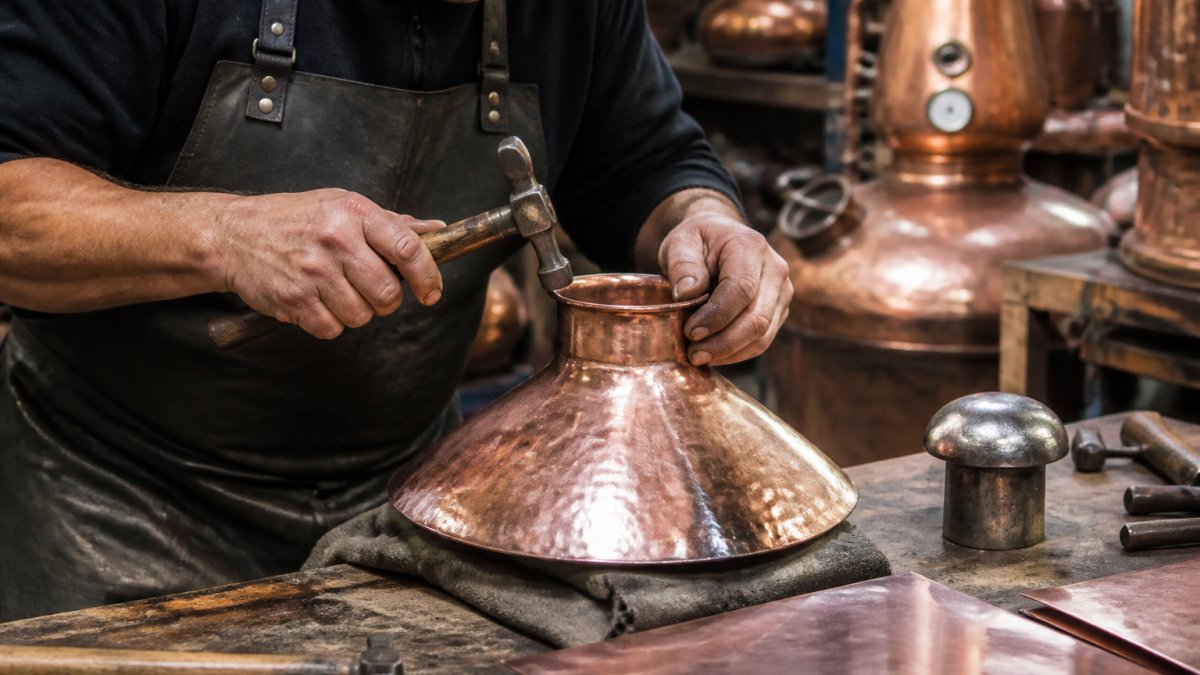
At Steven StillZ LLC, every still is 100% hand-made from machine-cut, 20oz, 99.9% pure copper. Parts are rolled, hemmed, and beaded for structural integrity, then water and air pressure tested before shipping.
Copper Still Maintenance: Time, Effort, and Long-Term Costs
Maintenance is where total cost of ownership shows up. Copper needs more attention than stainless, but the routine is simple.
A practical cleaning schedule:
- Rinse the column and condenser after every run
- Deep clean the boiler monthly with a mild acid wash
- Inspect every seam and gasket each season
- Re-tin or replace worn fittings as needed
Skip this and you get the metallic taste many distillers blame on recipes. In practice, it is usually residue in the vapor path, not the mash.
Who Should Upgrade to Professional Grade (and Who Shouldn't)
Upgrade if you distill often, care about flavor, or sell or teach. A professional-grade unit pays for itself through consistency and fewer failed batches.
Skip the upgrade if you distill a few times a year, are still learning basic technique, or want zero maintenance. A mid-tier or refurbished unit fits that use case fine.
A simple decision framework:
- Weekly runs, flavor-focused: professional grade, copper.
- Monthly runs, neutral spirits: mid-tier stainless with copper packing.
- Rare runs, learning: entry-level, upgrade later.
The skill you build matters as much as the equipment. Training and repetition improve results faster than any single upgrade.
The Verdict: Is Professional Grade Still Worth It in 2026?
Yes, for anyone who distills regularly and cares about what lands in the bottle. The value is not in a label. It is in thicker copper, lead-free solder, and pressure-tested seams that hold up season after season.
Is professional grade still worth it for a casual weekend hobbyist? Often not. For a serious distiller, a small producer, or anyone teaching the craft, the performance and reliability gap is real.
The current relevance is simple: copper costs what it costs, and hand labor does not get cheaper. Buying once, from a builder who tests every unit, beats replacing cheap gear twice.
Occupational Safety and Health Administration guidance on safe handling of flammable liquids
Frequently Asked Questions
Is a professional-grade still worth the extra cost?
It depends on how often you distill and what you expect from your spirits. A professional grade still built with 99.9% pure copper and lead-free solder delivers better heat distribution, fewer leaks, and longer service life than budget models. If you distill regularly or want consistent results, the upfront investment pays off through durability and fewer replacements. For occasional weekend use, a mid-tier option may be enough.
How long does a copper still last?
A well-maintained handmade copper still can last decades. The key factors are copper thickness, joint quality, and how you care for it. Stills made with 20oz copper and pressure-tested seams resist warping and leaks far better than thin, mass-produced units. Regular cleaning and proper storage prevent corrosion and extend lifespan significantly.
What should I look for when buying a copper still?
Check the copper purity (99.9% is ideal), solder type (lead-free is essential), and whether the unit has been pressure-tested. Look for rolled, hemmed, and beaded seams for structural integrity. Also confirm the still works with your existing heat source, such as a propane burner, so you avoid extra equipment costs.
Is copper better than stainless steel for a still?
Copper conducts heat more evenly and reacts with sulfur compounds during distillation, which can improve flavor. Stainless steel is more durable against acidic washes but lacks that chemical interaction. Many distillers use copper for the boiler and column, and stainless for other components. For flavor-sensitive spirits, copper is often the preferred choice.
Deciding whether professional grade is worth it comes down to how often you run and how much flavor matters to you. Steven StillZ LLC builds every still by hand from 20oz, 99.9% pure copper with lead-free silver bearing solder, pressure tests each unit, and backs it with a 100% money-back or replacement guarantee. Order online 24/7 and get a still built to last.